 how-to
Book a Martial Arts Trial Class: Step-by-Step Guide
Table of Contents
- Why Book a Trial Class Before Committing
- Martial Arts Classes for Beginners: Finding Your Fit
- What to Expect in a Boxing Trial Class
- Choosing a Martial Arts School: What Matters Most
- How to Book Your Trial Class at Battenberg's
- What to Bring and How to Prepare
- Health and Safety Protocols During Your Trial
- Enrollment and Next Steps After Your Trial Class
- Frequently Asked Questions
Last Updated: September 28, 2026
Why Book a Trial Class Before Committing
Starting martial arts is a big decision. When you book martial arts trial class, it removes the guesswork.
When you book a martial arts trial class, you experience the actual environment, meet instructors, and test whether the training style fits your goals. You'll participate in a real class, feel the physical demands, and see how instructors teach and interact with students.
A trial class answers common concerns directly. You see how beginner-friendly the environment is and understand what the first few weeks of training look like.
Martial Arts Classes for Beginners: Finding Your Fit
The biggest mistake beginners make is choosing a school based on location or price alone. The right fit depends on your actual goals.
Different martial arts schools emphasize different things. Taekwondo focuses on kicks, flexibility, and belt progression. Boxing develops footwork, hand speed, and cardiovascular fitness. Brazilian jiu jitsu emphasizes grappling and problem-solving under pressure.
Before you book martial arts trial class, identify what matters most to you. A school teaching traditional taekwondo with a strict belt system might not suit someone seeking casual fitness. A boxing gym focused on competition training might overwhelm someone wanting stress relief.
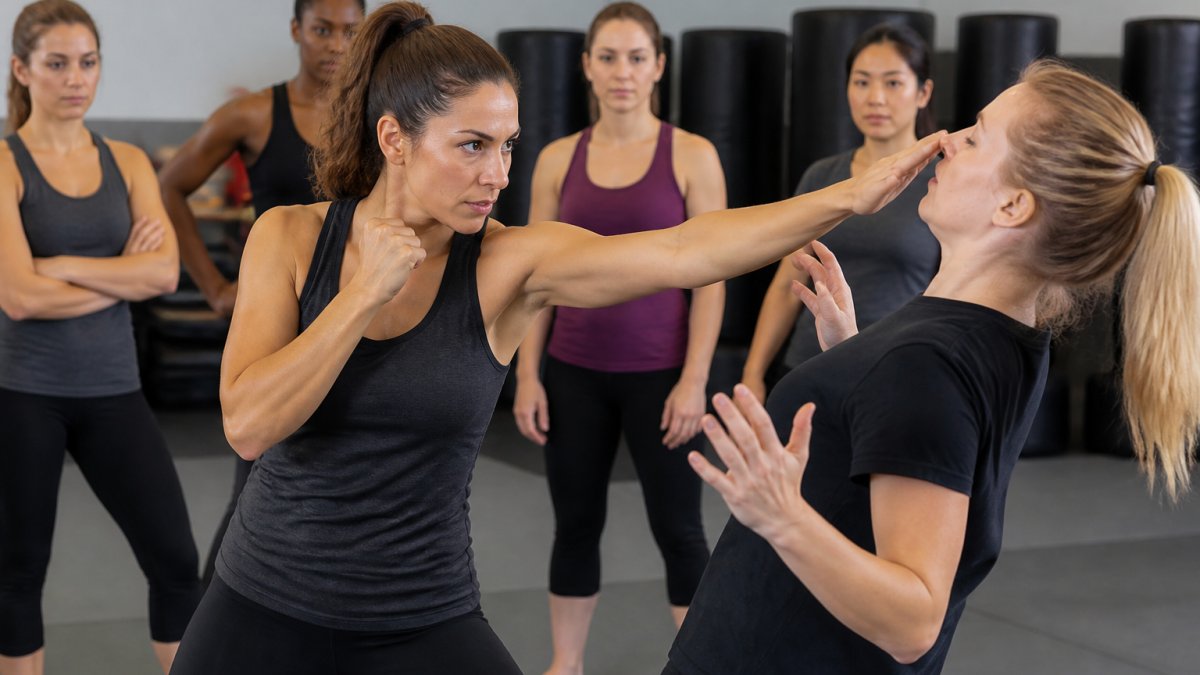
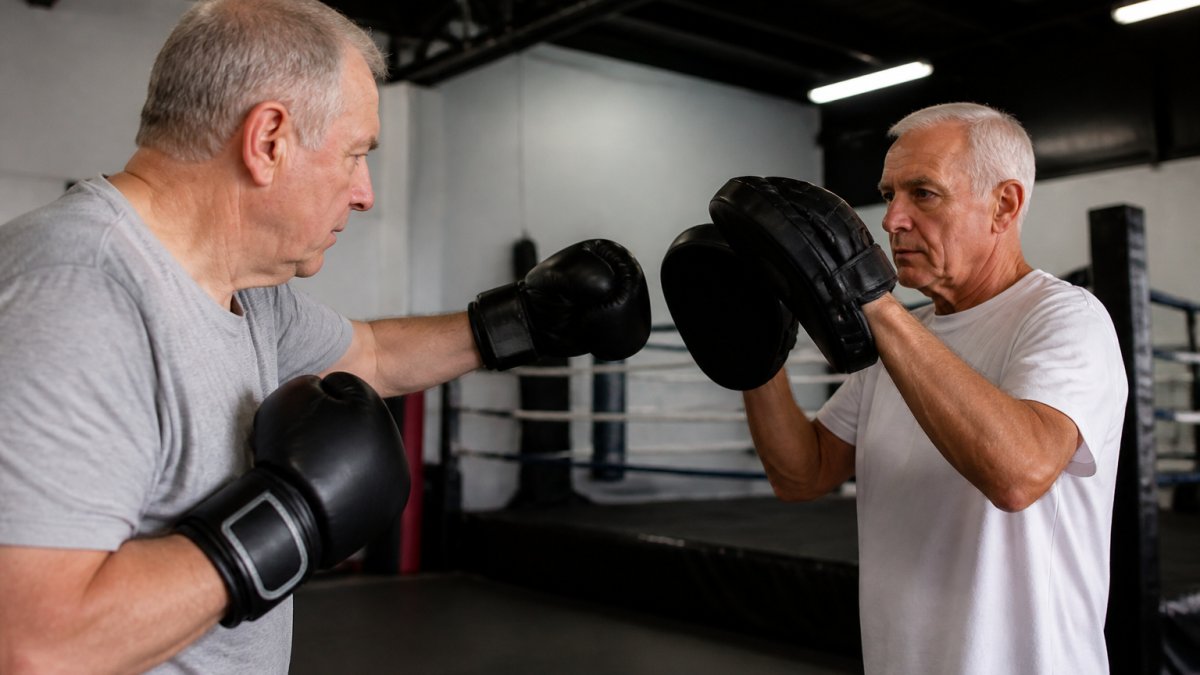
Battenberg's offers multiple disciplines. Our instructors can help you identify which class aligns with your goals during your first visit, whether youth programs, adult self-defense training, or specialized fitness like Rock Steady Boxing for Parkinson's disease.
What to Expect in a Boxing Trial Class
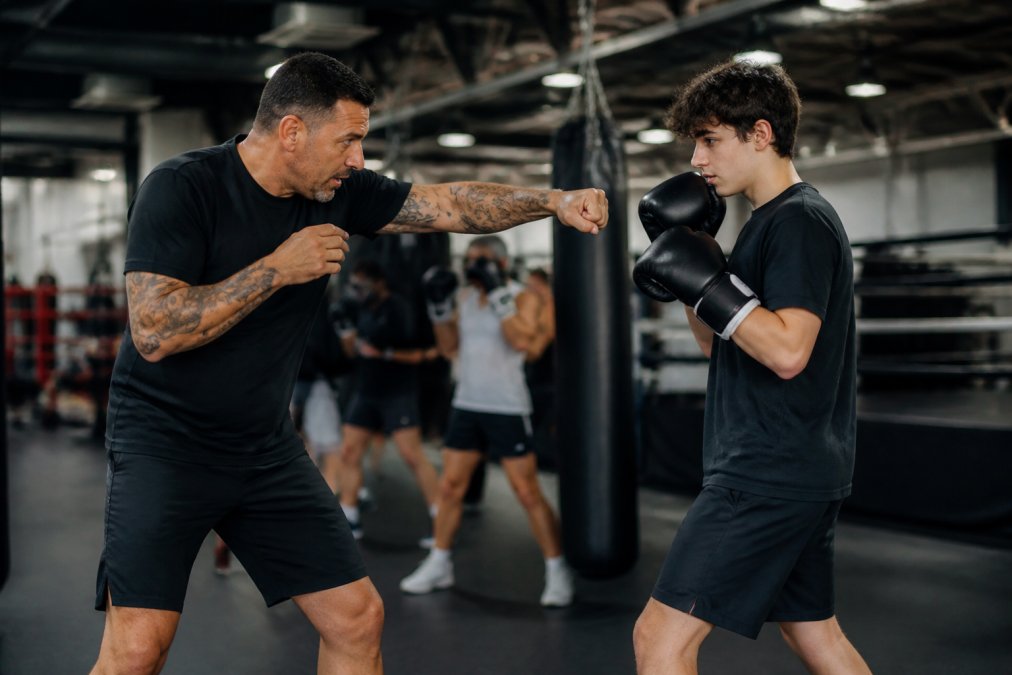
A boxing trial class follows a predictable structure designed to introduce you to the sport safely while building fitness.
The Warm-Up and Orientation
Your trial class begins with an orientation where the instructor explains boxing rules, mat etiquette, safety protocols, proper stance, hand positioning, and how to wear boxing gloves correctly (10-15 minutes).
The warm-up includes light cardio, stretching, and mobility work (10-15 minutes) with exercises like jumping jacks, shadowboxing, and dynamic stretches.
The instructor assesses your fitness level and movement patterns during warm-up to scale intensity appropriately.
Technique and Skill Development
You'll learn fundamental boxing techniques: jab, cross, hook, and uppercut, practicing slowly at first to focus on technique over speed.
Most boxing trial classes dedicate 20-30 minutes to technique work. You'll practice combinations (sequences of punches like jab, cross, hook) at increasing speeds.
A good instructor scales instructions for mixed-level classes, modifying combinations for you and providing individual feedback.
Physical Conditioning and Cool-Down
The final 10-15 minutes focuses on conditioning (heavy bag work, pad work, or partner drills). You control the intensity while building fitness and learning technique.
Cool-down includes stretching and breathing exercises to lower your heart rate safely and reduce muscle soreness.
Choosing a Martial Arts School: What Matters Most
The difference between a good experience and a frustrating one comes down to instructor quality, facility environment, and class structure.
Look for instructors with formal training certifications and teaching experience. At Battenberg's, our programs are led by Masters Jeff and Reneé Battenberg, with training protocols directly from 2x Heavyweight Champion George Foreman.
A clean, well-organized facility with proper equipment signals the school takes training seriously. Ask about mat maintenance, equipment condition, and class size, as smaller classes allow more individual attention.
Class structure affects how quickly you progress. Ask whether classes follow a consistent format, have clear progressions for beginners, and are structured toward belt advancement or skill development.
Ask about enrollment and membership options, cancellation policies, and what happens if you need to pause training temporarily.
How to Book Your Trial Class at Battenberg's
Booking your trial class takes just a few minutes. The process is straightforward and designed to get you started quickly.
Step 1: Check Available Class Times and Levels
Visit Battenberg's website or call to view the current class schedule. Youth programs include Pre-Karate Kub for ages 4-6 (with Neuro-Training brain development), school-age and teen classes. Adult classes include traditional taekwondo and Rock Steady Boxing.
Get Started Today at NO RISK! →
Identify which class type interests you. Our staff can recommend the best fit based on your age and goals.
Pick a class time you can realistically attend 2-3 times per week, as consistency matters in martial arts training.
Step 2: Prepare Your Information and Registration
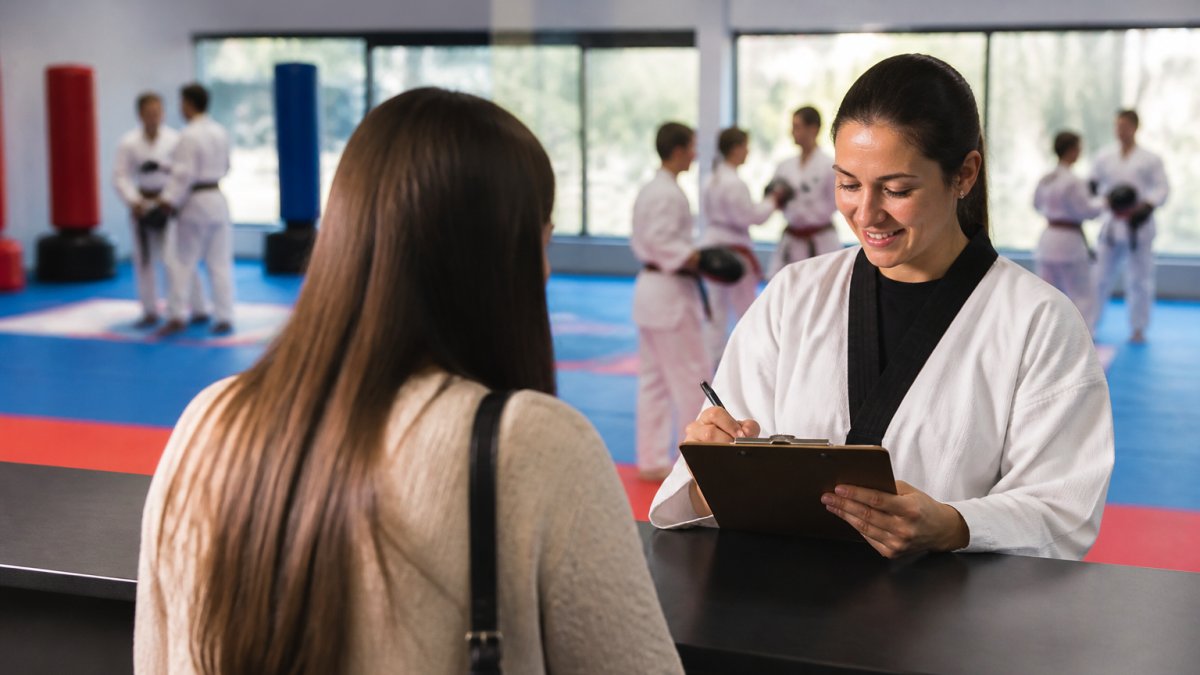
Have your name, contact information, and any relevant health details ready. Mention injuries, chronic conditions, or physical limitations so instructors can modify techniques appropriately.
For children, provide emergency contact information and any medical conditions the instructor should know about.
Step 3: Confirm Your Booking and Arrival Details
Once you've selected a class time, confirm your booking. Get clarity on the exact date, time, and location. Ask where to park, which entrance to use, and where to check in when you arrive.
Confirm what to bring and wear. Most martial arts schools ask students to wear comfortable athletic clothing and arrive in clean socks or bare feet. Ask whether you need to bring your own uniform or if the school provides trial uniforms.
Get the instructor's name and a brief description of what to expect. This removes surprises and helps you feel prepared on your first day.
What to Bring and How to Prepare
Preparation makes your first class more comfortable and productive.
Wear comfortable athletic clothing that allows full range of motion. Shorts or athletic pants and a t-shirt work well. Avoid baggy clothing that gets in the way or restrictive clothing that limits movement.
Bring a water bottle. Martial arts training is physically demanding. You'll sweat, and hydration matters for performance and recovery.
Arrive 10-15 minutes early. This gives you time to complete any remaining paperwork, use the restroom, and mentally prepare. Arriving rushed increases anxiety.
Eat a light meal 1-2 hours before class. Training on a completely empty stomach can leave you lightheaded. Training immediately after a heavy meal causes discomfort. A banana or small snack 30 minutes before class works well for most people.
Get adequate sleep the night before. Your body learns through practice and recovery. A good night's sleep improves focus and performance during your trial class.
Wear clean socks or plan to train barefoot. Most martial arts schools require this for hygiene and safety reasons. Check with Battenberg's about their specific requirements.
Health and Safety Protocols During Your Trial
Martial arts schools maintain specific health and safety standards to protect all students.
Before your trial class, disclose any injuries or medical conditions. This includes recent surgeries, chronic pain, or conditions like Parkinson's disease. Instructors modify techniques to work around limitations. You control the intensity. Pushing through pain isn't required or encouraged.
Proper technique prevents injury. During your trial class, the instructor will correct your form repeatedly. This isn't criticism. It's protection. Bad technique leads to wrist strain, knee stress, or shoulder problems. Good technique keeps you safe and builds strength efficiently.
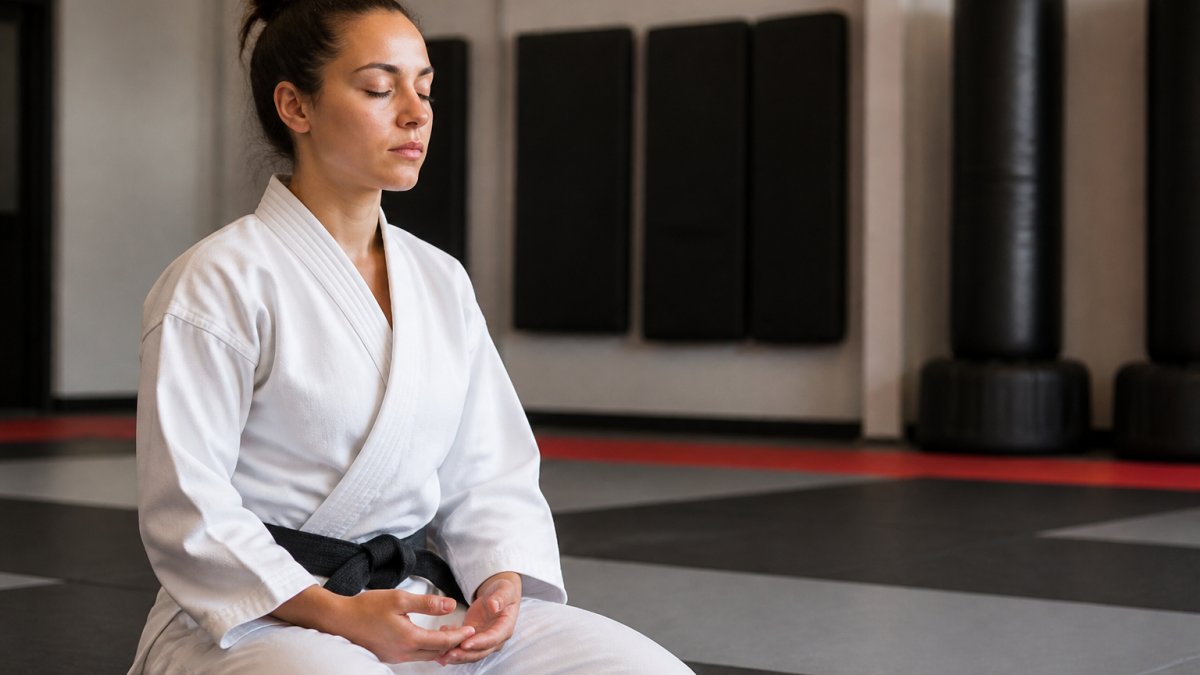
Follow mat etiquette. Most martial arts schools have specific rules about behavior on the training mat. These typically include bowing to the instructor and training partners, addressing instructors respectfully, and maintaining focus during instruction.
Enrollment and Next Steps After Your Trial Class
Your trial class ends, but the real journey begins after.
| Phase | Duration | What Happens |
|---|---|---|
| Orientation & Warm-Up | 15-20 min | Instructor explains basics, you warm up and stretch |
| Technique Instruction | 20-30 min | Learn fundamental movements and combinations |
| Conditioning & Practice | 10-15 min | Apply techniques with increased intensity |
| Cool-Down | 5-10 min | Stretch and lower heart rate safely |
| Preparation Step | Timing | Why It Matters |
|---|---|---|
| Check schedule | 1 week before | Ensures you pick a realistic time slot |
| Prepare info | 2-3 days before | Speeds up registration on arrival day |
| Eat lightly | 1-2 hours before | Prevents lightheadedness during training |
| Arrive early | 10-15 min before | Reduces anxiety and allows proper warm-up |
| Get good sleep | Night before | Improves focus and physical performance |
Frequently Asked Questions
What should I wear to my first martial arts trial class?
Wear comfortable, loose-fitting clothing that allows you to move freely, such as athletic shorts and a t-shirt. Many students wear gym clothes or casual workout wear. You typically don't need a uniform for your trial class. Bring socks and arrive barefoot for mat etiquette. Ask Battenberg's if they provide any equipment like boxing gloves or if you need to bring your own.
Do I need prior experience to book a martial arts trial class?
No prior experience is necessary. Martial arts classes for beginners are designed specifically for people starting from scratch. Instructors at Battenberg's tailor instruction to your skill level and fitness background. Whether you're completely new to taekwondo, boxing, or self-defense training, the trial class introduces fundamentals at a pace suitable for beginners.
How long does a typical martial arts trial class last?
Most trial classes run 45 to 60 minutes, though the exact duration depends on the program. This timeframe includes warm-up, technique instruction, physical conditioning, and cool-down. Arrive 10-15 minutes early for check-in and a facility tour. Contact Battenberg's directly to confirm the class duration for your specific program.
What makes choosing a martial arts school important for your success?
Choosing a martial arts school affects your long-term commitment and results. Look for instructor credentials, a supportive environment, class schedules that fit your life, and programs aligned with your goals, whether that's self-defense, fitness, confidence building, or discipline. Battenberg's, led by Masters Jeff and Reneé Battenberg, offers instructor-led training with proven protocols and age-appropriate class levels for all ages.