 how-to
How to Start Martial Arts Out of Shape
Last Updated: November 8, 2026
Quick Summary
You do not need to be fit before starting martial arts out of shape. Beginner classes are built for people starting from zero, and training itself builds fitness, so begin with two or three gentle classes a week and move at your own pace.
- Attend beginner classes, not advanced sessions, and let your instructor set your intensity.
- Two or three classes a week gives your body time to adapt between sessions.
- Talk to your doctor and your instructor before class if you have a health condition or injury.
- Compare styles on impact, contact, cardio demand, and mobility before choosing one.
- Book a trial class and ask how the school modifies drills for out-of-shape beginners.
Table of Contents
- You Don't Have to Be Fit Before Your First Class
- How to Start Martial Arts Out of Shape for Beginners
- How to Start Martial Arts Out of Shape at Home
- How Often Should Beginners Train Martial Arts?
- Choosing a Style and Comparing Impact, Contact and Physical Demands
- Best Martial Arts for Big Guys
- Booking Your First Class at Battenberg's
- Frequently Asked Questions
You Don't Have to Be Fit Before Your First Class
Plenty of people put off martial arts because they feel they need to get in shape first. That gets the order backwards. A good beginner program is built for people who are out of shape, and the training itself is how you get fit. Good beginner classes start where you are, and you move at your own pace from the first night.
Being out of shape is not a reason to wait. Many adult beginners find that the hardest part is walking through the door, not the workout. Showing up once is the step that matters most.
How to Start Martial Arts Out of Shape for Beginners
Starting out of shape is manageable when you keep the early weeks simple. The goal in the first month is to build a habit, learn the basics, and recover well, not to push as hard as you can.
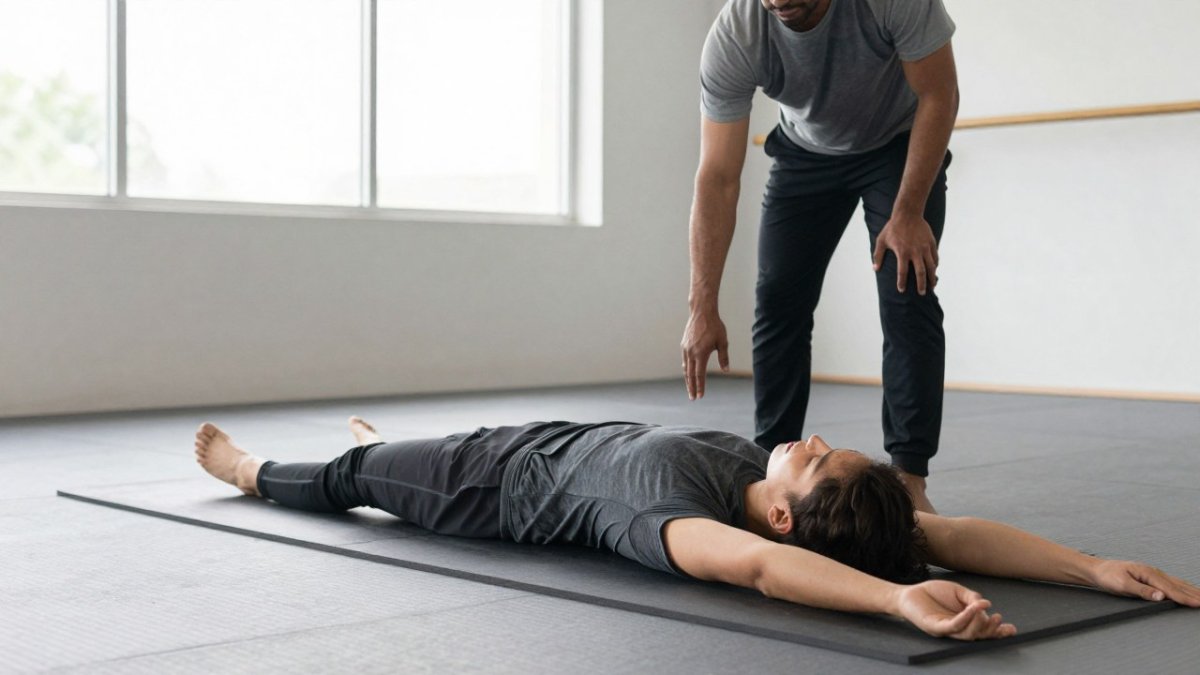
Here is a simple way to begin:
- Go to a beginner class first. Ask for a class aimed at new students, not an advanced session.
- Start at low intensity. Let your instructor show you how hard to go.
- Focus on technique before speed. Correct form protects your joints and makes later progress faster.
- Take breaks when you need them. Rest is part of training, not a sign of failure.
- Drink water before, during, and after class. Hydration matters more when you are sweating for the first time in years.
- Tell your instructor about any health concerns. A good school will adjust your training to fit you.
A common mistake is trying to match the most experienced student in the room. Compare yourself only to where you were last week.
A Practical First-Month Plan
For a completely sedentary beginner, a loose plan can help you stay consistent without overdoing it:
- Week 1: Attend two beginner classes. Focus on learning stances, basic movements, and breathing.
- Week 2: Attend two or three classes. Add gentle walking on rest days.
- Week 3: Attend three classes. Notice how you recover between sessions and adjust if you feel worn down.
- Week 4: Keep the same schedule. Ask your instructor what you should work on next.
This plan is a starting point. Your instructor and your own recovery should guide any changes.
Screening for Health Conditions and Injuries
If you have a heart condition, high blood pressure, a joint injury, a back problem, or any other health concern, talk with your doctor before starting. Then tell the instructor about it before your first class so they can modify exercises for you. Many people with old injuries train safely once the right adjustments are in place. For a deeper walkthrough, see this beginner martial arts classes how-to guide. The U.S. Centers for Disease Control and Prevention offers general guidance on physical activity for adults at CDC physical activity guidelines for adults.
The table below summarises the first-month plan, so you can see how the weeks build on each other.
| Week | Classes | Focus |
|---|---|---|
| Week 1 | Two beginner classes | Stances, basic movements, breathing |
| Week 2 | Two or three classes | Add gentle walking on rest days |
| Week 3 | Three classes | Notice recovery and adjust if worn down |
| Week 4 | Same schedule | Ask your instructor what to work on next |
How to Start Martial Arts Out of Shape at Home
Home practice can help you prepare for class, but it should support your training, not replace it. Simple habits work best:
- Practice stance and footwork for a few minutes a day.
- Go for short walks on days you do not train.
- Stretch gently after class to ease soreness.
- Get enough sleep so your body can recover.
Avoid pushing hard at home in the first few weeks. Too much effort before your body is ready can lead to injury and burnout.
How Often Should Beginners Train Martial Arts?
Most beginners do well with two or three classes a week. This gives your body time to adapt between sessions. Once the early soreness fades and you feel recovered, you can add more classes if you want to.
Pay attention to how you feel. Persistent fatigue, sharp pain, or trouble sleeping are signs to back off. Consistency over months matters far more than training hard for a few weeks and then stopping.
Choosing a Style and Comparing Impact, Contact and Physical Demands
Most beginners pick a style by watching videos, then discover in week two that the physical demands do not match their body. A better approach is to compare styles on four dimensions that matter most when you are starting out of shape: how much impact your body absorbs, how much contact you have with a partner, how hard the cardio is, and how much mobility each style assumes.
Here is how the common styles tend to stack up for adult beginners. These are general patterns, not rules, individual schools vary widely.
- Taekwondo: Striking with an emphasis on kicks and footwork. Impact is mostly on your own joints from kicking and pivoting, with light partner contact in beginner drills. Cardio demand is moderate to high during kicking combinations, and hip and hamstring mobility matter. Good for beginners who want structured technique and gradual conditioning.
- Boxing: Striking with hands. Impact includes hand and wrist loading from bag work and mitts; beginner classes usually limit partner contact to controlled drills. Cardio demand is high, boxing classes often include jump rope and conditioning circuits. Shoulder and wrist mobility help. A fit choice for readers who want cardio but can modify the conditioning portions.
- Judo: Grappling with throws and ground work. Impact includes falls (breakfalls are taught first) and body-to-body contact. Cardio demand is high during randori but beginner classes start with static drills. Requires knee, hip, and shoulder mobility, and falling practice is a real adaptation for heavier or older beginners.
- Brazilian jiu-jitsu: Grappling on the ground. Contact is close and sustained; impact is low compared with throwing arts, but knees and back are loaded during guard work and escapes. Cardio demand is high in live rounds but beginner classes are usually technique-focused. A common fit for larger beginners who prefer ground work to falling.
- Karate: Striking with a mix of punches, kicks, and stances. Impact is moderate, contact in beginner classes is usually light or no-contact, and cardio demand varies by school. Stance work builds leg endurance gradually.
A practical way to choose: rank the four dimensions by what your body tolerates today. If falling or being thrown worries you, start with a striking art and revisit grappling later. If high-impact bag work aggravates a joint, look at grappling or a school that emphasizes pads and technique drills over conditioning circuits. If you are carrying extra weight and worried about knees, ask each school how they modify jumping, running, and deep stances for beginners, the answer tells you more than the style name does.
Watch out: a school that cannot describe how it modifies drills for out-of-shape beginners is telling you something about its teaching approach, regardless of style.
If you want a broader look at how exercise affects body composition, the National Institutes of Health publishes research summaries you can review at NIH research on exercise and body composition.
Best Martial Arts for Big Guys
There is no single best style for larger students. What matters most is finding a class where the pace is manageable and the instructor pays attention to your needs. Many heavier adults start with a striking class that focuses on footwork and technique, because it builds conditioning without heavy grappling. Ask about low-impact options and how instructors modify drills. A good coach will adjust training so you can build stamina over time. As stamina builds, older beginners can also adapt the same gradual approach, with Virginia Dojo offering a natural next step for thinking about starting martial arts later in life.
Booking Your First Class at Battenberg's
Booking a trial class is the lowest-risk way to find out whether a school fits you. Before you call, know what a good first class looks like and what to ask, so you can evaluate the school instead of just hoping it works out.
What to expect in a first class. A beginner session typically includes a warm-up, instruction on basic movements, controlled drills, and a cool-down. Expect the instructor to correct your form repeatedly, which is the point of a beginner class.
What to bring and what it costs. For a first class, wear loose athletic clothing and bring water. Trial-class details depend on the program, so ask directly when you call. Ask whether the trial includes a uniform and whether any equipment purchase is required to continue past the trial.
A checklist for evaluating the school. Use these questions on the phone or at your first visit:
- Is there a class specifically for adult beginners, or will you be placed with advanced students?
- How does the instructor modify drills for students with injuries, limited mobility, or low conditioning?
- What is the sparring policy for beginners, and at what point are students allowed to spar?
- Can you observe a class before participating?
- What is the cancellation and contract policy if you decide not to continue?
- How many students are typically in a beginner class, and how many instructors are present?
Watch out: pressure to sign a long-term contract before you have taken a single class is a warning sign. A school confident in its beginner program will let you try it first.
Realistic early expectations. Soreness in the first week is normal, especially in the legs and shoulders, and it usually fades within a few days. Fatigue during class is expected; dizziness, chest pain, or joint pain that persists after class are reasons to stop and check with a clinician. Stamina and technique usually improve with consistent training over several weeks, not in the first few days.
Ready to try it? Contact Battenberg's to ask about available beginner sessions, trial pricing, and what to bring. Our instructors, Masters Jeff and Reneé Battenberg, lead programs for all ages in Kingwood, and our team is happy to answer questions before you commit.
Frequently Asked Questions
Can you start martial arts if you're out of shape?
Yes. Most beginner classes are built for adults who haven't trained in years, and instructors expect new students to tire quickly. Start with the basic techniques, work at your own pace, take breaks when you need them, and drink water throughout class. Your conditioning will improve over the first few weeks as you attend consistently. Tell your instructor about any health conditions or injuries before your first session so they can adjust drills for you.
How often should a beginner train martial arts?
Two to three classes per week is a common starting point for adult beginners, with at least one rest day between sessions so your body can recover. Consistency matters more than intensity in the first few months. Adding a short home routine on non-class days can help your stamina build faster. If you feel persistent pain or unusual fatigue, reduce your frequency and talk with your instructor or doctor.
Can I start martial arts at home as a beginner?
You can build useful preparation at home, such as basic stretching, bodyweight squats, and light cardio, but home practice works best as a complement to classes. Solo practice can't teach partner-based technique, safe falling, or sparring control. Use home sessions to build flexibility and endurance so your in-class training feels more manageable. Keep home workouts gentle at first and increase them gradually.
What is the best martial art for beginners who are out of shape?
Styles with lower impact and a focus on technique, such as Taekwondo or Brazilian jiu-jitsu, are often a good fit for beginners who are starting from a low fitness level. Boxing offers strong cardio but is more demanding on the body early on. Visit a few schools, watch a class, and ask about beginner progression before deciding. The right style is the one you will keep attending.