 how-to
How to Keep Kids Interested in Martial Arts
Table of Contents
- Start with the Right Martial Arts Style for Your Child
- How to Motivate a Child in Martial Arts Training
- Build Martial Arts Goals for Kids That Stick
- Establish Martial Arts Practice at Home for Kids
- Recognize Normal Motivation Dips Versus Real Loss of Interest
- Help Your Child Handle Frustration, Plateaus, and Fear of Failure
- Balance Martial Arts With School, Sleep, and Other Activities
- Frequently Asked Questions
Last Updated: October 4, 2026
Start with the Right Martial Arts Style for Your Child
Choosing the right martial arts style is the foundation for how to keep kids interested in martial arts. When children train in a style that matches their personality and goals, they're far more likely to stick with it long-term.
Some kids crave the discipline and structure of Taekwondo. Others gravitate toward boxing for its explosive energy and self-defense practicality. Still others prefer the flowing movements of Karate.
Involve your child in choosing or trying different styles
Let your child help choose the martial arts style. This single step dramatically increases their commitment because they own the decision.
Start by exploring what's available:
- Watch videos of different martial arts styles together
- Read age-appropriate descriptions of Taekwondo, Karate, boxing, and other options
- Ask your child which style appeals to them and why
- Discuss what they hope to learn or achieve
When kids choose their own path, motivation follows naturally.
Attend a trial class or watch a session first
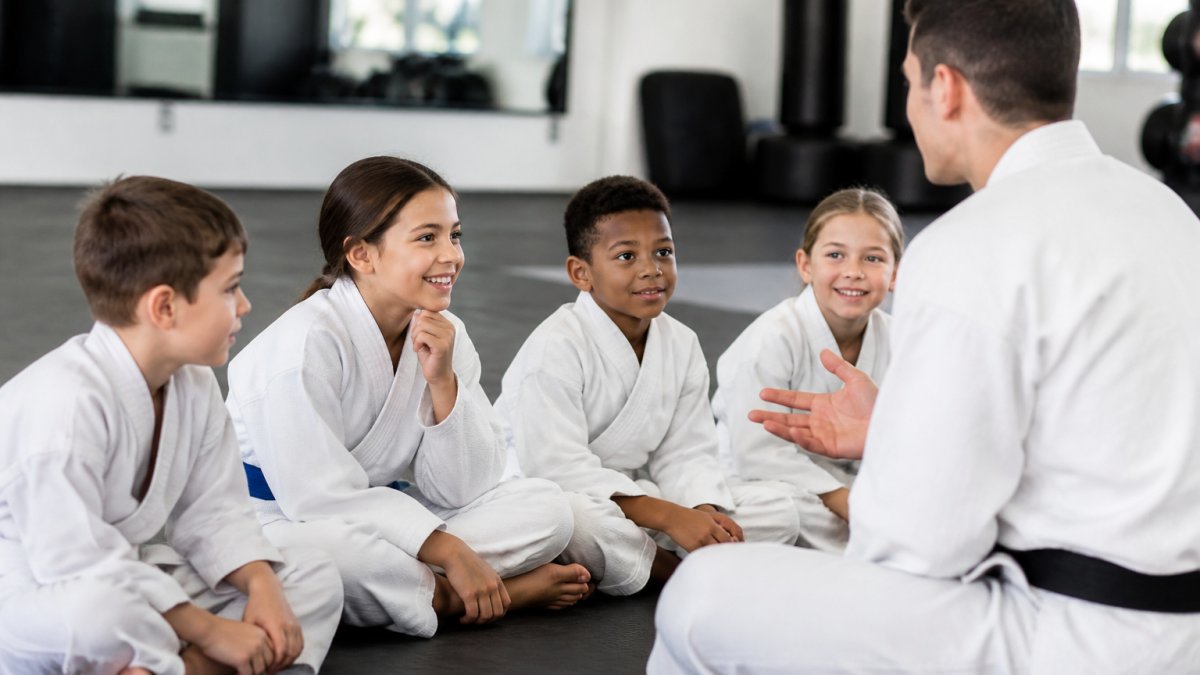
Never enroll without visiting the studio first. Your child needs to see the actual training environment, meet the instructor, and watch other kids in action.
During a trial class or observation:
- Notice if the instructor gives individual attention and praise
- Watch whether kids look engaged and are having fun
- Check if the class feels welcoming and supportive, not aggressive or intimidating
- Ask your child how they felt watching the class
A good instructor creates an environment where kids feel safe trying new skills. They praise effort, not just perfect technique. They make training feel like play, not punishment.
How to Motivate a Child in Martial Arts Training
Motivation in martial arts comes from two sources: internal (the child's own desire) and external (how parents and instructors respond to effort). You control the external part completely.
The biggest mistake parents make is praising only wins. When your child earns a new belt or wins a sparring match, that's great. But the real motivation happens in the mundane moments: the Tuesday night class when they're tired, the home practice session when no one's watching, the moment they nail a technique they've been struggling with for weeks.
Praise effort and progress, not just outcomes
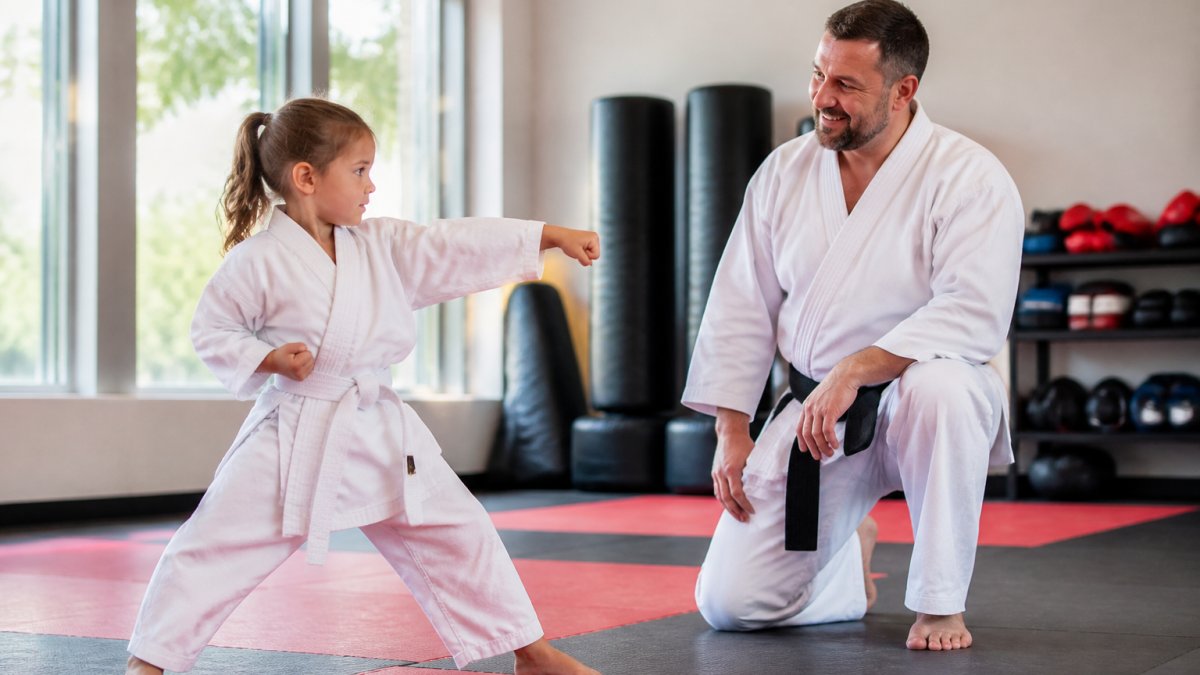
Focus your praise on the effort your child invested, not the result they achieved. This builds intrinsic motivation that lasts.
Instead of: "You won that match!
Instead of: "You got your blue belt!" Try: "I watched you practice that form at home three times this week.
When kids hear praise for effort, they believe they can improve through hard work.
Praise specific behaviors:
- "You asked the instructor for help instead of giving up"
- "You practiced at home without being asked"
- "You stayed calm when you made a mistake"
- "You encouraged your classmate when they were frustrated"
Use movies and videos to spark and sustain interest
Movies and videos keep martial arts exciting between classes. They show your child what's possible and remind them why they started training.
Watch together:
- Age-appropriate martial arts films that show discipline and growth
- YouTube clips of advanced students performing impressive techniques
- Instructional videos that teach home practice routines
- Competitions or demonstrations that inspire
After watching, talk about what your child noticed. Ask what techniques they want to learn. Let them see themselves as part of that martial arts world.
Build Martial Arts Goals for Kids That Stick
Goals transform training from a weekly obligation into a journey with purpose. Kids who know what they're working toward show up differently on the mat.
Set age-appropriate, achievable milestones
Belt promotions are obvious goals, but they're not enough. Break the journey into smaller, specific milestones your child can see and feel.
For younger kids (ages 4-8):
- Learn one new technique this month
- Practice at home three times this week
- Help a classmate with a move
- Remember all the steps in a basic form
For older kids (ages 9-12):
- Master the next belt technique by a specific date
- Compete in a friendly sparring match
- Teach a younger student one technique
- Achieve a specific fitness goal (do 20 push-ups, hold a stance for 60 seconds)
For teens:
- Earn the next belt rank within a timeframe
- Compete in a tournament
- Teach a class or lead warm-ups
- Develop a personal training routine
Make goals specific and measurable. "Get better at martial arts" is vague. "Learn the roundhouse kick correctly by next month" is clear. Your child knows exactly what success looks like.
Track progress beyond belt promotions
Belts matter, but they're infrequent. Your child needs to see progress happening all the time.
Create a simple progress tracker:
- Note improvements in technique (stance, balance, speed, power)
- Record home practice sessions completed
- Track fitness improvements (stronger, faster, more flexible)
- Capture moments of courage (trying a new technique, sparring for the first time, helping a struggling classmate)
Share these observations with your child. "I noticed your kicks are higher than they were three months ago" or "You've practiced at home five times this week, that's amazing" reminds them that growth is happening constantly, not just when a belt changes.
Establish Martial Arts Practice at Home for Kids
Home practice is where martial arts becomes part of your child's life, not just a weekly class. Kids who practice at home improve faster and stay interested longer.
Create a consistent home practice routine
Consistency matters far more than duration. Fifteen minutes, three times a week is better than an hour once a month.
Get Started Today at NO RISK! →
Set up a simple routine:
- Pick specific days and times (Tuesday, Thursday, Saturday mornings)
- Start with a warm-up (jumping jacks, stretching, light movement)
- Practice one or two techniques from class
- End with a cool-down stretch
Keep it short enough that your child actually completes it. A ten-minute practice your child finishes beats a thirty-minute session they quit halfway through.
Make home practice fun and pressure-free
Home practice fails when it feels like homework. Make it feel like play.
Try these approaches:
- Practice together as a family (you don't need to be good, just present)
- Use music your child loves during practice
- Set up a "home dojo" corner with a mat or clear space
- Practice outdoors if weather allows
When home practice feels like punishment, kids resist. When it feels like fun time with a parent, they look forward to it.
Recognize Normal Motivation Dips Versus Real Loss of Interest
Every child loses motivation sometimes. The question is whether it's a temporary dip or a genuine loss of interest.
Common reasons kids temporarily lose motivation
Kids often hit motivation dips around:
- The first month (initial excitement fades)
- Before a belt test (anxiety increases)
- When learning a difficult new technique (frustration rises)
- After a loss or poor performance in sparring
These dips are normal. They pass. The child usually bounces back within days or weeks.
Signs it's temporary:
- Your child still talks about martial arts
- They ask about the next class
- They practice at home without prompting
- They mention specific techniques or goals
- They get excited after class
When to encourage persistence and when to pause
Sometimes a motivation dip signals a real problem. Your child might have lost interest, encountered a bad instructor, or chosen a style that doesn't fit.
Signs it's real loss of interest:
- Your child actively resists going to class
- They complain about the instructor or other kids
- They've stopped talking about martial arts entirely
- They show anxiety or fear about training
- The motivation dip lasts more than three weeks despite your encouragement
If motivation is genuinely gone, pause the class. Forcing a child to continue trains them that you don't respect their feelings.
A pause doesn't mean quitting forever. It means taking a break, reassessing, and possibly trying a different style or studio later.
Help Your Child Handle Frustration, Plateaus, and Fear of Failure
Martial arts teaches skills faster than most activities. That speed also means your child will hit moments where progress stalls, mistakes happen, and fear creeps in.
Normalize struggle and reframe setbacks as learning
Your child needs to hear that struggle is part of training, not a sign they're not good enough.
Normalize it:
- "Everyone feels frustrated when learning something new"
- "The instructor made mistakes too when they were learning"
- "Your brain is actually growing stronger when you struggle"
- "Mistakes are how we learn, they're not failures"
When your child makes a mistake or gets frustrated:
- Stay calm and positive
- Acknowledge the feeling: "That was frustrating, wasn't it?"
- Point out what they learned: "You tried a different approach that time"
- Remind them of past progress: "Remember when you couldn't do that move at all?"
Support your child through skill plateaus
Plateaus are periods where progress feels invisible. Your child practices but doesn't see improvement for weeks. This is when many kids want to quit.
During a plateau:
- Remind your child that invisible progress is still progress (their body is building muscle memory)
- Point out small improvements they might not notice ("Your form looks sharper")
- Celebrate effort instead of results
- Consider asking the instructor for specific feedback on what's improving
- Keep home practice consistent, this is when it matters most
Plateaus usually break within 4-6 weeks if your child keeps practicing. Kids who quit during plateaus never experience the breakthrough on the other side.
Balance Martial Arts With School, Sleep, and Other Activities
Martial arts shouldn't crowd out sleep, homework, or other important activities. The goal is sustainable training that fits into a healthy life.
Watch for signs of overscheduling:
- Your child is constantly tired
- Grades drop
- They're stressed or anxious
- They have no free time to play or relax
- They're doing martial arts only because you want them to
If you see these signs, reduce the frequency. One class per week is better than three classes if three is causing stress.
Martial arts works best when it's one part of a balanced childhood, not the whole thing.
If you're looking for a program that makes martial arts engaging and developmentally sound for your child, Battenberg's offers comprehensive training led by Masters Jeff and Reneé Battenberg.
Frequently Asked Questions
How can I motivate my child to keep going to martial arts if they want to quit?
Before pushing them to continue, listen to their specific concern, boredom, frustration with a skill, fear, or schedule conflict. If it's a temporary motivation dip, praise their effort in recent classes, involve them in setting a new short-term goal, and ensure home practice stays fun. If they've genuinely lost interest after a fair trial, respect their choice but discuss whether switching styles or instructors might help. Forcing a child to stay rarely builds lasting commitment.
What age is best to start martial arts, and how does age affect how to keep kids interested?
Children as young as 4-5 can start in age-appropriate programs that focus on coordination, listening, and fun rather than complex techniques. Younger children respond best to shorter classes, games, and frequent praise. School-age kids (7-12) benefit from clear goals and belt progression; teens thrive on challenge and real-world application like self-defense. Tailor your motivation approach to your child's developmental stage and attention span.
How should parents support martial arts practice at home without pressuring their child?
Keep home practice short, light, and playful, 10-15 minutes a few times a week is better than forced longer sessions. Ask your child to teach you a technique, make it a game, or practice together without correcting every detail. Never use practice as punishment. The goal is to reinforce what they learned in class and show that you value their training without adding stress.
What if my child has tried sports before and quit, how do I know martial arts will stick this time?
Let your child help choose the martial arts style and school, attend a trial class together, and talk with the instructor about your child's past experience. Many kids quit sports because they feel pressured or the environment isn't welcoming. Martial arts emphasizes personal progress over competition, which helps some children stay engaged longer. Set realistic expectations: it may take 3-4 months to see real interest develop.