 blog
blog
Benefits of Boxing Protocol for Fitness
Table of Contents
- How Boxing Protocol Transforms Cardiovascular Health and Endurance
- Boxing Workout Routine for Beginners: Building Your Foundation
- How Long Should a Boxing Workout Last for Maximum Results
- Mental Health Benefits of Boxing: Stress Relief and Emotional Resilience
- High-Intensity Interval Training Boxing: Building Strength and Power
- Why Boxing Protocol Works Better Than Traditional Cardio
- Frequently Asked Questions
Last Updated: October 2, 2026
How Boxing Protocol Transforms Cardiovascular Health and Endurance
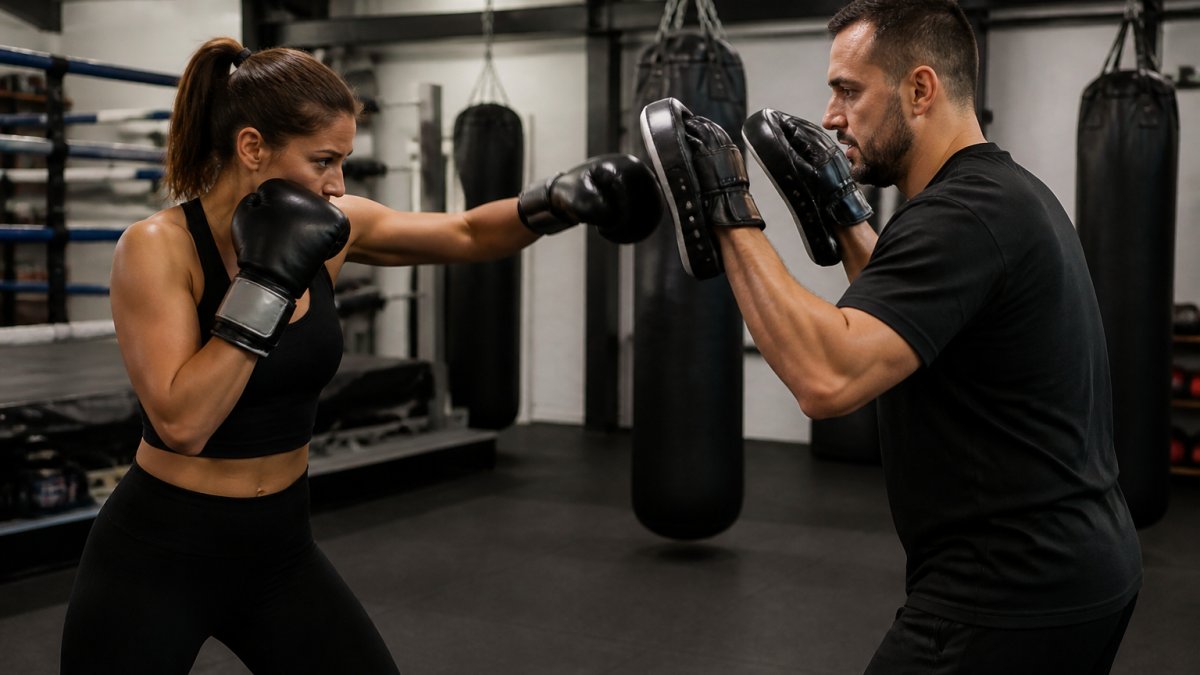
A boxing protocol is a structured training program that uses punching, footwork, and defensive movements to build fitness. At Battenberg's, we offer boxing programs that focus on cardiovascular health and overall conditioning.
Boxing demands constant movement. Your heart rate climbs quickly. Sustained rounds of punching and footwork push your aerobic capacity higher than many traditional cardio options.
The cardiovascular benefits of boxing protocol for fitness come from the intensity. Each round forces your heart to work harder. Recovery between rounds allows it to adapt. Over weeks, this builds endurance that carries into daily life.
Boxing Workout Routine for Beginners: Building Your Foundation
A boxing workout routine for beginners should focus on basic techniques first. Master your stance, guard, and simple combinations before adding intensity. However, the equipment you choose shapes your progression path, and most beginners don't know the difference.
Equipment-Specific Beginner Protocols
Different tools build different skills. Your first 4-6 weeks should emphasize shadowboxing and technique work before heavy bag training.
Shadowboxing Protocol (Weeks 1-2)
Shadowboxing requires no equipment and builds foundational footwork and hand speed without impact stress.
- Warm-up (5 minutes): Light jogging, arm circles, wrist rotations
- Shadowboxing (4 rounds, 2 minutes each): Focus on stance, guard position, and basic 1-2 combinations at 50% power
- Footwork drills (3 rounds, 2 minutes each): Forward-backward movement, lateral shuffles, pivot turns
- Core work (5 minutes): Planks, dead bugs, bird dogs
- Cool-down (5 minutes): Walking and stretching
Total time: 30-35 minutes, 3-4 times per week. Shadowboxing teaches movement without the impact fatigue that derails beginners.
Heavy Bag Protocol (Weeks 3-6)
Once footwork is solid, the heavy bag builds power and teaches proper weight transfer. Heavy bag work is harder on joints, so wrist wraps become essential.
- Warm-up (5 minutes): Light jogging, arm circles, wrist rotations
- Shadowboxing (2 rounds, 2 minutes each): Activate nervous system, practice combinations
- Heavy bag work (4 rounds, 2 minutes each): Throw combinations at controlled pace, focus on form over power
- Speed bag or double-end bag (2 rounds, 2 minutes each): Build hand-eye coordination and shoulder stability
- Core work (5 minutes): Planks, sit-ups, rotations
- Cool-down (5 minutes): Walking and stretching
Total time: 40-45 minutes, 3-4 times per week. Wrist wraps are non-negotiable at this stage, they stabilize the small bones in your wrist and prevent cumulative strain.
Speed Bag Protocol (Weeks 5+)
Speed bag work is often misunderstood. It's not a power tool; it's a coordination and shoulder mobility tool. Begin speed bag work only after heavy bag technique is solid.
- Speed bag develops the rotator cuff muscles that prevent shoulder injuries
- Requires lighter hand speed than heavy bag work
- Best used for 2-3 rounds after heavier work, not as a primary tool
- Builds hand-eye coordination that transfers to pad work with a trainer
Progression Milestones and Recovery Checkpoints
Most beginner programs fail because they don't account for adaptation. Your body needs specific recovery windows to build endurance safely.
Weeks 1-2: Foundation Phase
- Focus: Technique, not intensity
- Heart rate target: 60-70% of max (light-to-moderate effort)
- Rest days: 1-2 per week
- Common mistake: Throwing hard before learning proper form. Bad technique leads to wrist and shoulder pain that sidelines you for weeks. Technique first, power second.
Weeks 3-6: Adaptation Phase
- Focus: Adding heavy bag work, increasing round duration to 3 minutes
- Heart rate target: 70-80% of max (moderate-to-vigorous effort)
- Rest days: 1 per week
- Recovery signal: If your form breaks down in the final round, you've trained enough. Stop. Tired punching teaches bad habits.
Weeks 7+: Building Phase
- Focus: Longer rounds (3-4 minutes), adding combinations, introducing light pad work
- Heart rate target: 75-85% of max (vigorous effort)
- Rest days: 1 per week
- Strength addition: Add 1-2 days of light weightlifting (upper body focus) to support boxing demands
Injury Prevention From Day One
Wrist health is the most common beginner failure point. Your wrists are small joints handling repeated impact. Protect them from the start.
Wrist Wrapping (Non-Negotiable)
- Always wrap before gloves, even for shadowboxing after week 2
- Wraps should be snug but not cutting off circulation
- Proper wrapping takes 3-5 minutes and becomes automatic
Shoulder Mobility Work
- Add 5 minutes of shoulder mobility 2-3 times per week (band pull-aparts, wall slides, dead hangs)
- Tight shoulders limit punch range and increase injury risk
- Mobility work prevents the rotator cuff strain that ends boxing careers early
Rest Day Structure
- Active recovery (light walking, yoga, stretching) on 1-2 rest days per week
- Complete rest (no training) on at least 1 day per week
- Sleep is when your body adapts. Aim for 7-9 hours on training days.
Within two weeks of consistent shadowboxing, most people notice improved breathing and easier movement. Within four weeks of adding heavy bag work, they feel noticeably stronger. Within eight weeks of this structured progression, cardiovascular endurance and confidence improve dramatically, but only if recovery is prioritized equally with training.
Get Started Today at NO RISK! →
How Long Should a Boxing Workout Last for Maximum Results
How long should a boxing workout last? Most effective boxing sessions run 45-60 minutes total, including warm-up and cool-down.
Breaking that down:
- Warm-up: 5-10 minutes
- Skill work (shadowboxing, technique drills): 10-15 minutes
- Heavy bag or pad work: 15-20 minutes
- Conditioning or core: 5-10 minutes
- Cool-down and stretching: 5-10 minutes
The actual punching work should last 20-30 minutes. Quality matters more than duration. A focused 25-minute session beats an unfocused 60-minute slog.
Your energy level affects how long you should train. New boxers fatigue faster. Experienced athletes can sustain longer sessions. Listen to your body. When form breaks down, stop. Tired punching teaches bad habits.
Mental Health Benefits of Boxing: Stress Relief and Emotional Resilience
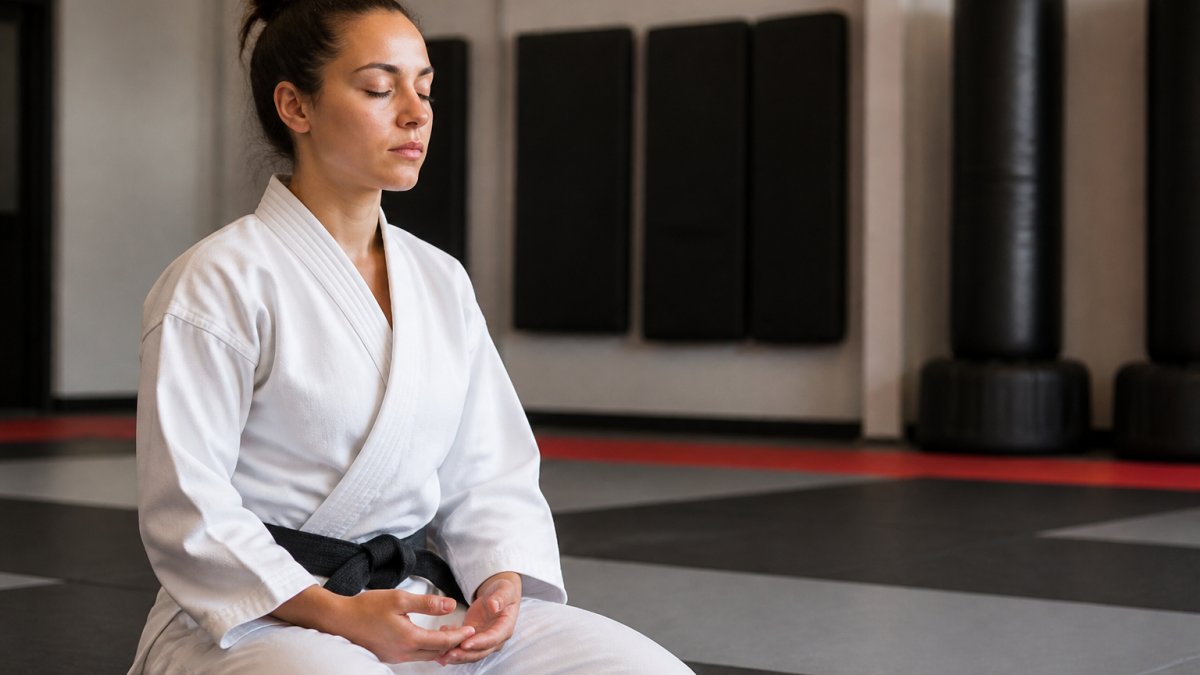
Boxing delivers mental health benefits beyond the physical. The repetitive nature of punching creates a meditative state. Your mind focuses entirely on the present moment.
Stress melts during a boxing session. You can't think about work deadlines while throwing combinations. The mental clarity that comes after training lasts for hours.
The mental health benefits of boxing include:
- Stress reduction: Punching releases tension physically and mentally
- Improved mood: Physical exertion triggers endorphin release
- Better sleep: Tired muscles lead to deeper rest
- Increased confidence: Mastering new skills builds self-esteem
- Emotional outlet: Controlled aggression in a safe environment
Many people come to boxing for fitness. They stay for the mental health benefits. The discipline required to improve creates resilience that transfers to other areas of life.
High-Intensity Interval Training Boxing: Building Strength and Power
High-intensity interval training boxing alternates short bursts of maximum effort with recovery periods. This approach builds strength and power faster than steady-state cardio.
A typical high-intensity interval training boxing session looks like this:
- 30 seconds of maximum-effort punching
- 30 seconds of light movement or rest
- Repeat 10-15 times
The intense bursts push your anaerobic threshold. Your body learns to produce power under fatigue. The recovery periods allow your heart rate to drop before the next surge.

Core Engagement and Full-Body Conditioning
Boxing isn't just arm work. Every punch originates from your core. Rotation, stability, and power all come from your midsection.
Core engagement during boxing:
- Rotation: Twisting from your hips generates punch power
- Stability: Your core keeps you balanced during footwork
- Protection: Tight abdominals protect your organs during impact
Full-body conditioning happens naturally. Your legs drive your punches. Your shoulders and back deliver power. Your core stabilizes everything. Your arms execute the technique. Boxing activates every major muscle group.
Recovery and Injury Prevention in Boxing Training
Recovery isn't laziness. It's when your body adapts and grows stronger.
Injury prevention in boxing training requires:
- Proper warm-up: Never punch cold muscles
- Wrist support: Wraps stabilize joints before gloves go on
- Controlled progression: Add intensity gradually, not suddenly
- Rest days: Your muscles rebuild during rest, not during training
- Stretching: Maintain flexibility to prevent strains
- Cross-training: Mix boxing with strength work and mobility
Most boxing injuries come from overuse or poor form. New boxers push too hard too fast.
Why Boxing Protocol Works Better Than Traditional Cardio
Traditional cardio, running, cycling, elliptical machines, builds aerobic capacity. Boxing does that and more.
- Functional strength: Punching builds real-world power and coordination
- Mental engagement: The skill component keeps your mind active
- Higher intensity with less joint impact: Punching is less jarring than running
- Metabolic conditioning: The interval nature of boxing boosts metabolism for hours after training
- Self-defense skills: You gain practical abilities alongside fitness
- Community: Group boxing creates accountability and motivation
Frequently Asked Questions
What are the primary physical benefits of a boxing fitness protocol?
A boxing protocol delivers cardiovascular endurance and full-body conditioning. The repetitive punching motion builds upper-body power while footwork engages your core and lower body.
How often should you follow a boxing fitness protocol each week?
Beginners should start with 2-3 sessions weekly to allow their bodies to adapt. Your training frequency depends on your fitness level and recovery capacity.
Can boxing training help with stress relief and mental clarity?
Yes. The focused, rhythmic nature of punching provides stress reduction similar to meditation. The combination of physical exertion and mental engagement makes boxing particularly effective for anxiety and stress management.
Is boxing training suitable for all fitness levels?
Boxing works for beginners through advanced athletes. A proper boxing workout routine for beginners emphasizes technique and controlled movements rather than speed or power, allowing safe progression. Even those returning after years away from exercise can start with foundational drills and advance at their own pace.