 how-to
Beginner Martial Arts Classes: A How-To Guide
Table of Contents
- How to Choose a Martial Arts School That Fits Your Goals
- What to Expect at Your First Martial Arts Class
- What to Wear to Martial Arts Class
- Getting the Most Out of Your Martial Arts Trial Class
- Beginner Martial Arts Styles and What They Offer
- Building Confidence and Overcoming First-Class Jitters
- Frequently Asked Questions
Last Updated: October 12, 2026
How to Choose a Martial Arts School That Fits Your Goals
Choosing beginner martial arts classes kingwood in Texas is one of the most important decisions you'll make as a beginner. The right environment can transform your practice into a lifelong journey. The wrong one can leave you frustrated and discouraged after just a few weeks.
At Battenberg's, we've worked with hundreds of families and individuals starting their martial arts journey, and we've seen firsthand what separates schools that retain committed students from those that see people quit. The difference rarely comes down to fancy equipment or celebrity instructors. It comes down to fit.
Before you sign up anywhere, ask yourself three core questions: Does this school teach the style I want to learn? Do the class times work with my schedule? And most importantly, does the teaching approach match how I learn best?
Assess the Teaching Style and Instructor Experience
The instructor makes or breaks your experience. A skilled teacher transforms beginner martial arts classes into something you actually look forward to. A poor one makes you dread showing up.
When you visit a school, watch an actual class in session. Notice how the instructor interacts with students. Do they correct form with patience or impatience? Do they modify techniques for different body types and fitness levels, or expect everyone to keep up with the same progression? The best beginner-friendly instruction acknowledges that everyone arrives at the dojo with different backgrounds, injuries, and comfort levels.
Ask about the instructor's experience. How long have they trained? Do they have certifications? Have they specifically worked with beginners? Our Masters Jeff and Reneé Battenberg bring decades of combined experience to their teaching, including training protocols directly from 2x Heavyweight Champion George Foreman.
Check Class Schedules and Location Convenience
A school with perfect instruction doesn't help if you can't actually get there. Consistency beats perfection every time in martial arts. Missing classes derails your progress and breaks momentum.
Look at the class schedule honestly. Do they offer times that fit your life? Are there multiple beginner classes per week, or just one? If you miss a class, can you attend a different time slot to stay on track? Beginner martial arts classes kingwood in Texas should be offered frequently enough that life's interruptions don't completely stall your training.
Location matters more than most people admit. A school 10 minutes away will get more visits than one 30 minutes away, even if the distant one is technically "better." Drive time adds friction. Over months and years, that friction compounds.
What to Expect at Your First Martial Arts Class
Your first class will feel unfamiliar, and that's completely normal. Most beginners arrive nervous about looking foolish or being the least fit person in the room. Here's what actually happens: you walk in, the instructor greets you warmly, and within five minutes you realize everyone else was nervous on their first day too.
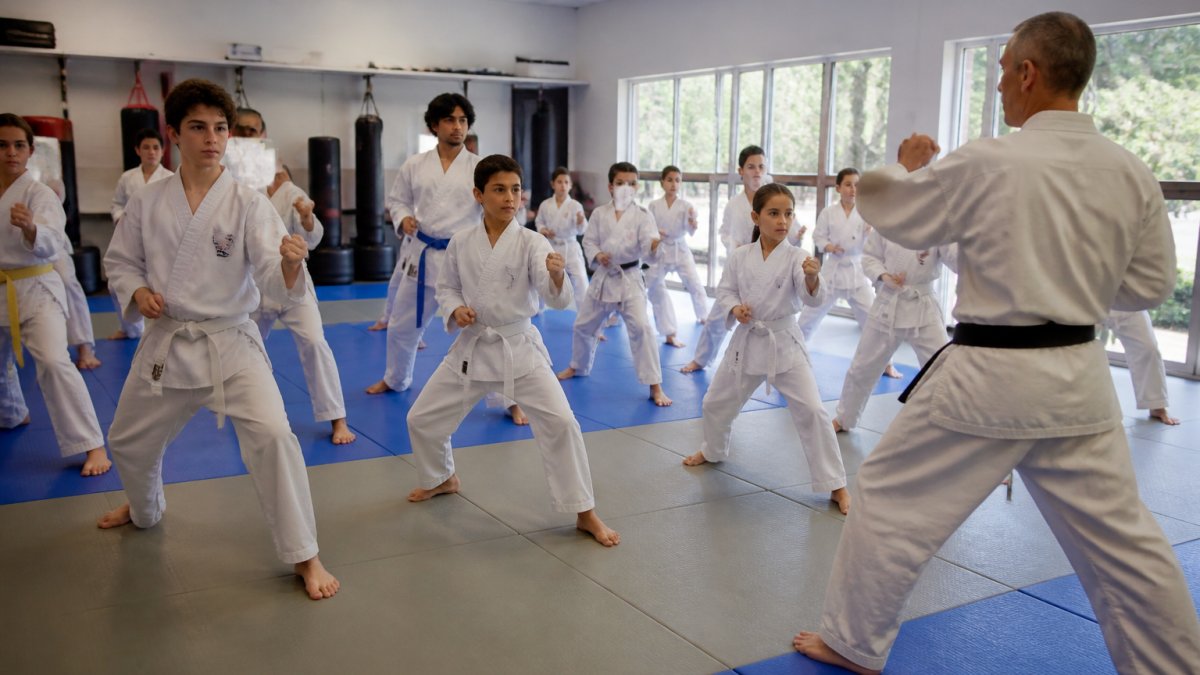
A typical beginner martial arts class follows a predictable structure. You'll spend the first 10-15 minutes warming up, then move into fundamental techniques, practice those techniques with a partner or against the air, and finish with a cool-down and stretching. The entire session usually lasts 45 minutes to an hour.
The Warm-Up and Basic Fundamentals
Every class starts with a warm-up. You'll do light cardio, dynamic stretching, and movements that prepare your body for training. This isn't punishment, it's injury prevention and mental preparation.
After warming up, the instructor will teach fundamental techniques. In Taekwondo, that might be basic kicks and stances. In boxing, it's footwork and basic punches. In Judo, it's falling safely and grip fundamentals. The instructor will demonstrate the technique slowly, then have everyone practice it repeatedly. Expect to do the same movement 20, 30, sometimes 50 times. This repetition builds muscle memory.
Don't worry about perfection on day one. The goal is understanding the basic shape of the movement. Refinement comes later.
Technique Training and Hands-On Instruction
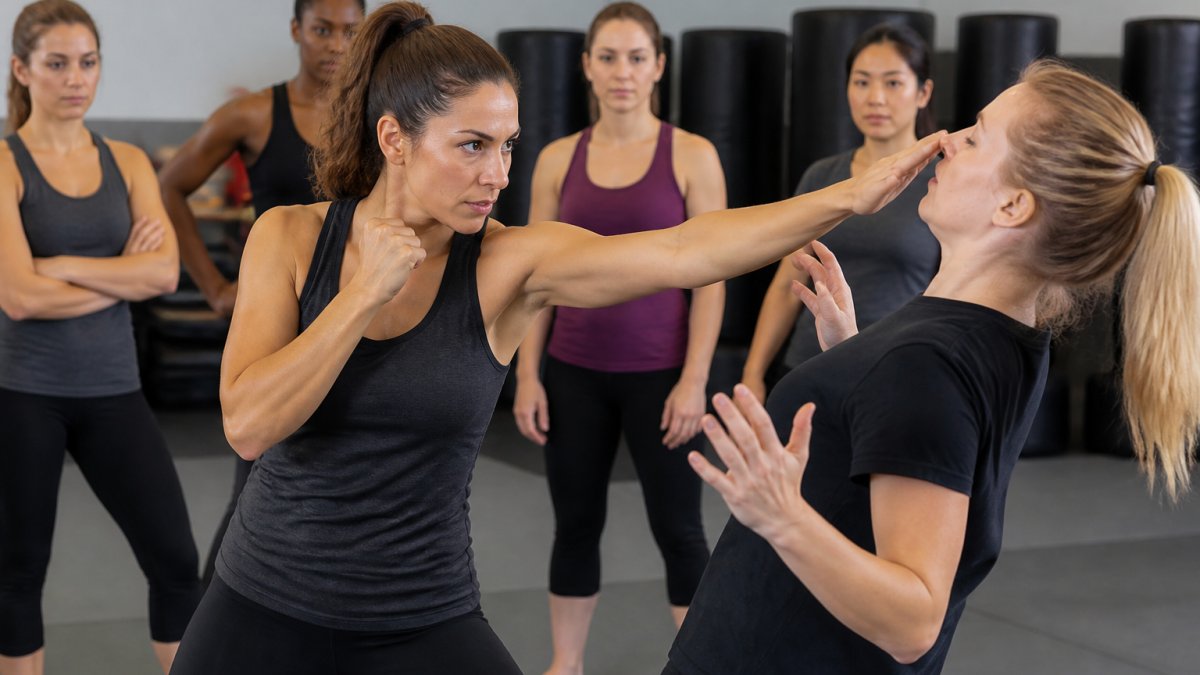
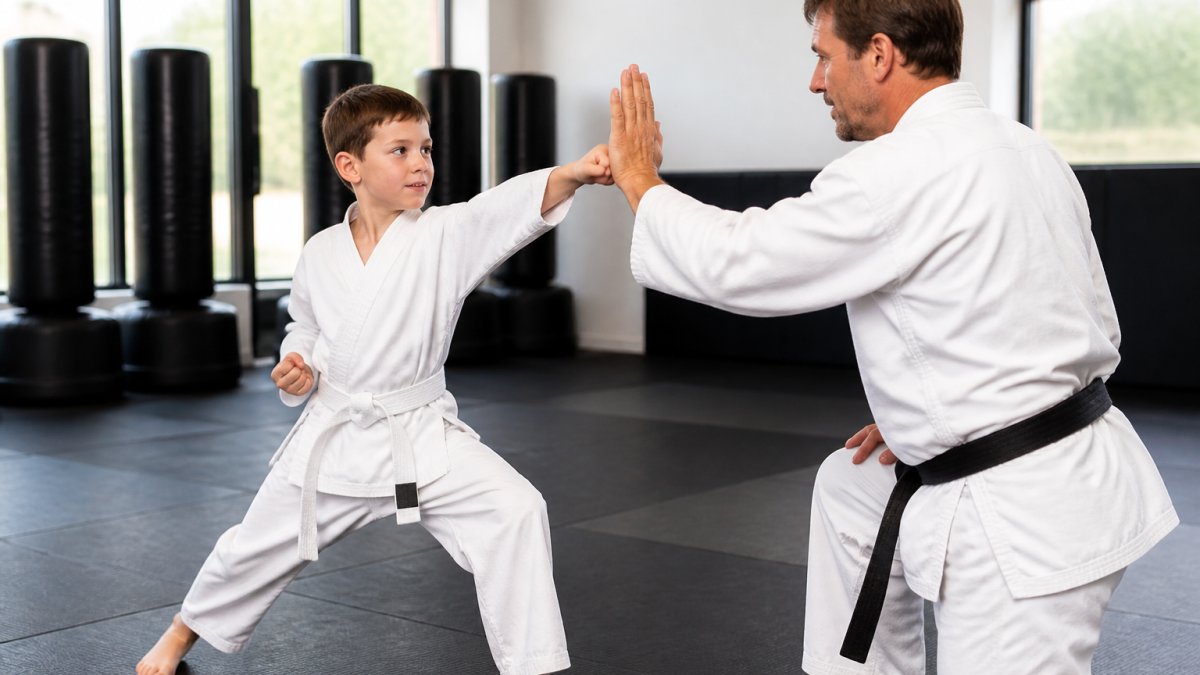
Once you've practiced the fundamentals, the instructor will often have you partner up to apply the technique with another person. This is where martial arts becomes real. You're no longer just mimicking movements, you're actually engaging with another person.
A good instructor will pair beginners with patient, experienced students who know how to adjust their intensity to match a beginner's level. You won't get thrown hard or hit with full force. The goal is learning, not proving anything.
This is also where you discover whether the school's culture actually matches what they advertise. Do advanced students help beginners, or do they ignore them? Does the instructor intervene if someone is being too rough? These observations tell you everything about whether you'll feel welcome coming back.
Cool-Down and Community Connection
The last 10 minutes of class are usually dedicated to cool-down and stretching. Your heart rate comes down, your muscles relax, and your nervous system settles. This is also when community happens. People chat, laugh, and sometimes exchange contact information.
Many beginners underestimate how much the community aspect matters. Martial arts is a solo journey in some ways, you're responsible for your own progress. But it's also deeply social. The people you train with become your teammates, your accountability partners, sometimes your friends. A school with genuine community is a school where people stay.
What to Wear to Martial Arts Class
Dress code varies by style and school, but the principle is simple: wear something that lets you move freely without distraction.
Standard Attire for Taekwondo and Karate
Most Taekwondo and Karate schools require a uniform called a gi (pronounced "ghee"). For beginners, this is usually a simple white cotton uniform. The gi serves several purposes: it signals your commitment to the practice, it equalizes everyone visually regardless of what they wear outside the dojo, and it's designed to move with your body during training. Proper maintenance of this essential training gear ensures that your focus remains entirely on the physical demands of your martial arts journey.
You'll also wear a colored belt that indicates your rank. As a beginner, you'll start with a white belt. The belt color progression motivates you and gives you clear milestones.
If you're just trying your first class and don't own a gi yet, most schools will let you wear loose athletic clothing, sweatpants and a t-shirt work fine. Ask ahead of time. Once you commit to training, you'll invest in a proper gi.
Clothing for Boxing and Combat Training
Boxing has a different dress code. You'll wear comfortable athletic clothes: shorts and a t-shirt or tank top. Shoes are optional, many boxers train barefoot or in light boxing shoes. The emphasis is on freedom of movement, not uniformity.
For any martial art, avoid anything that restricts movement. Jeans don't work. Tight shirts don't work. Wear what you'd wear to the gym, but think about what lets your legs and arms move through their full range of motion.
Bring a water bottle. Bring a towel. Bring an open mind.
Getting the Most Out of Your Martial Arts Trial Class
Most schools offer a trial class or introductory lesson. This is your chance to experience the environment before committing. Use it strategically.
Arrive 10-15 minutes early. This gives you time to fill out any paperwork, ask questions, and get a feel for the space without rushing. Talk to the instructor. Tell them you're a complete beginner. Ask what to expect.
Get Started Today at NO RISK! →
During class, focus on effort, not perfection. You're not supposed to nail every technique on day one. Beginner martial arts classes are designed for exactly this, learning without judgment.
After class, ask the instructor for feedback. What did you do well? What should you focus on next? Their response tells you whether they're paying attention to individual students or just running through a script.
Most importantly, notice how you feel. Not physically, though some soreness is normal. Emotionally. Do you feel welcomed? Challenged in a good way? Excited to come back? Or do you feel intimidated, ignored, or discouraged?
Beginner Martial Arts Styles and What They Offer
Different martial arts styles develop different skills. Choosing the right one depends on your goals and what appeals to you.
Taekwondo for Balance and Discipline
Taekwondo emphasizes high kicks, fast footwork, and explosive power. It's excellent for developing lower body strength, balance, and cardiovascular fitness. The sport aspect, sparring competitions, appeals to many people who want measurable progress and friendly competition.
Taekwondo also has a strong emphasis on discipline and respect. The belt progression system is clear and motivating. You know exactly what skills you need to master to advance. For kids, this structure is invaluable. For adults seeking self-improvement, it provides concrete milestones.
The downside: Taekwondo is less effective for ground fighting and grappling.
Boxing for Self-Defense and Fitness
Boxing is pure hand combat. You learn footwork, defensive head movement, punching combinations, and ring strategy.
Boxing also delivers exceptional cardiovascular fitness. If fitness is your primary goal, boxing delivers results quickly.
The learning curve is steep at first, footwork is harder than it looks, but breakthroughs come fast.
Judo and Grappling Fundamentals
Judo teaches throwing and grappling. You learn to use an opponent's momentum against them, to control them on the ground, and to escape from dangerous positions.
If you're smaller or weaker than most opponents, grappling is your advantage. Strength matters less in grappling than technique and positioning.
Judo also has a gentler learning curve than striking arts. The main risk is falling, but you'll spend your first weeks learning how to fall safely.
Building Confidence and Overcoming First-Class Jitters
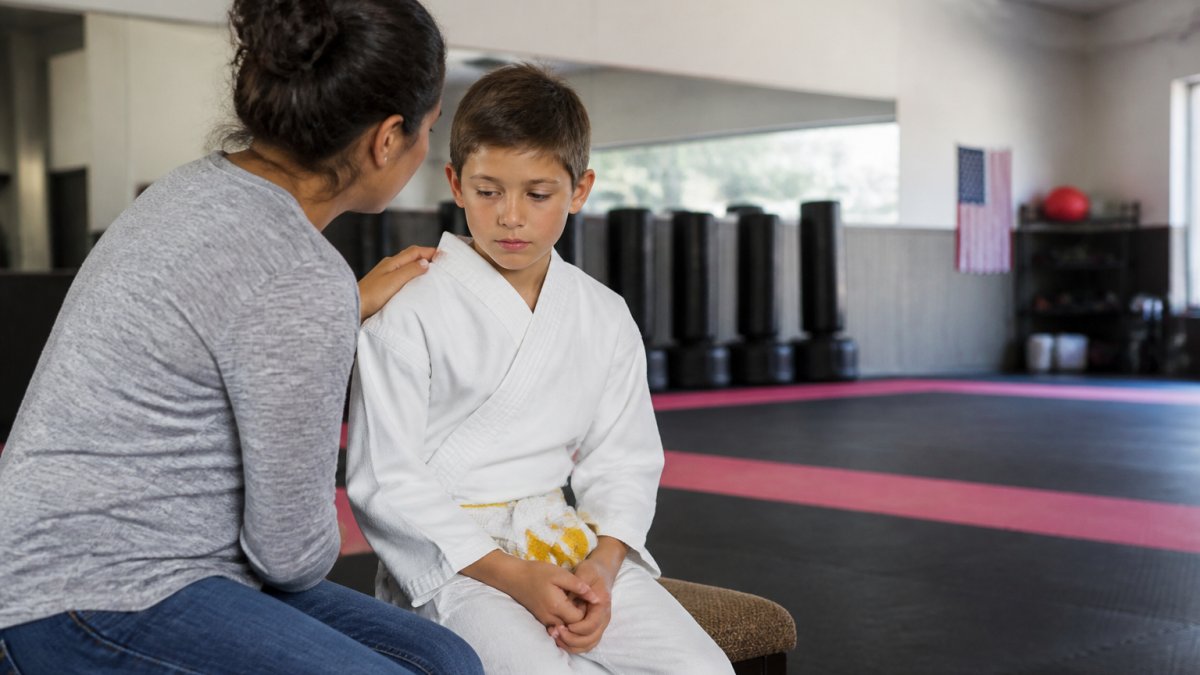
Nervousness before your first class is universal. Even people who've trained in other sports feel it. The unknown is uncomfortable.
Here's the truth: that nervousness is normal, and it disappears after your first class.
The biggest obstacle isn't the physical challenge, it's the mental one. You're worried about looking foolish.
Everyone in that room has felt exactly that way. The experienced students remember their first day. The instructor has taught hundreds of beginners.
One practical tip: arrive early, introduce yourself to the instructor, and tell them it's your first class.
Another tip: bring a friend. Training with someone you know reduces anxiety dramatically.
Finally, commit to at least three classes before deciding. One class isn't enough to know if you like it.
Starting beginner martial arts classes is one of the best decisions you can make for your physical and mental health.
At Battenberg's, we've built our entire program around making that first experience welcoming and transformative. Our adult boxing and Taekwondo programs offer self-defense skills and stress relief.
Whatever your age or fitness level, the right school meets you where you are and helps you progress at your pace.
Frequently Asked Questions
What should I wear to a beginner martial arts class?
Most beginner martial arts classes require a gi (uniform), a white cotton jacket and pants. For boxing classes, wear comfortable athletic clothing, hand wraps, and boxing gloves. Check with your specific school, as some provide loaner uniforms for your first trial class. Avoid jewelry, and wear clean socks or go barefoot, depending on the facility's rules.
What should I expect at my first martial arts class?
Your first class typically includes a warm-up, introduction to basic stances and techniques, hands-on instruction from the instructor, and a cool-down period. Instructors expect beginners to move at their own pace and modify movements as needed. Most schools keep a supportive, welcoming environment where everyone, regardless of fitness level, is encouraged to participate and ask questions.
How do I choose a martial arts school that's right for me?
Evaluate schools by their instructor experience, class schedule fit, and teaching philosophy. Visit in person, observe a class, and ask about trial classes or introductory offers. Consider whether the school emphasizes discipline and self-defense or competition. Check that the location is convenient and that class times align with your availability to ensure you'll actually attend consistently.
Is it too late to start martial arts as an adult beginner?
No. Many adults start martial arts with no prior experience and thrive. Beginner classes are designed for all fitness levels, and instructors scale techniques to match your ability. Adult beginners often bring discipline and focus that help them progress steadily. Most schools offer adult-specific classes where you'll train alongside peers at similar experience levels.