 how-to
Boxing Fitness Classes in Kingwood: A Beginner's Guide
Table of Contents
- Why Boxing Fitness Classes Are Growing in Kingwood
- What to Expect at a First Boxing Class
- Boxing Fitness Classes for Beginners: Finding Your Starting Point
- Boxing Fitness vs. Traditional Boxing: Which Is Right for You
- Understanding Boxing Class Cost and Membership Options
- Local Boxing Fitness Options: What to Look For
- Getting Started: Your First Steps
- Frequently Asked Questions
Last Updated: October 18, 2026
Why Boxing Fitness Classes Are Growing in Kingwood
Boxing fitness has become one of the fastest-growing fitness trends in the area. Unlike isolating gym workouts, these classes combine cardiovascular conditioning, strength training, and stress relief in a single session.
What makes boxing fitness classes kingwood particularly appealing is the mix of physical and mental benefits: burning calories, building confidence, learning practical self-defense skills, and joining a community. The group environment creates accountability solo gym sessions can't match.
At Battenberg's, instructors emphasize proper technique over intensity for nervous beginners, the difference between attending once and committing long-term.
What to Expect at a First Boxing Class
Walking into a boxing fitness class for the first time can feel intimidating, but the structure is predictable and instructors expect beginners.
The Warm-Up and Conditioning Phase
Every class starts with a 5-10 minute warm-up of dynamic movement: jumping jacks, arm circles, light footwork drills, and mobility work. It teaches the stance and footwork patterns you'll use all class.
The conditioning phase includes rope jumping, shadowboxing, or light pad work. Your goal isn't perfection, it's getting comfortable in the boxing stance and building your aerobic base.
Technique Instruction and Bag Work
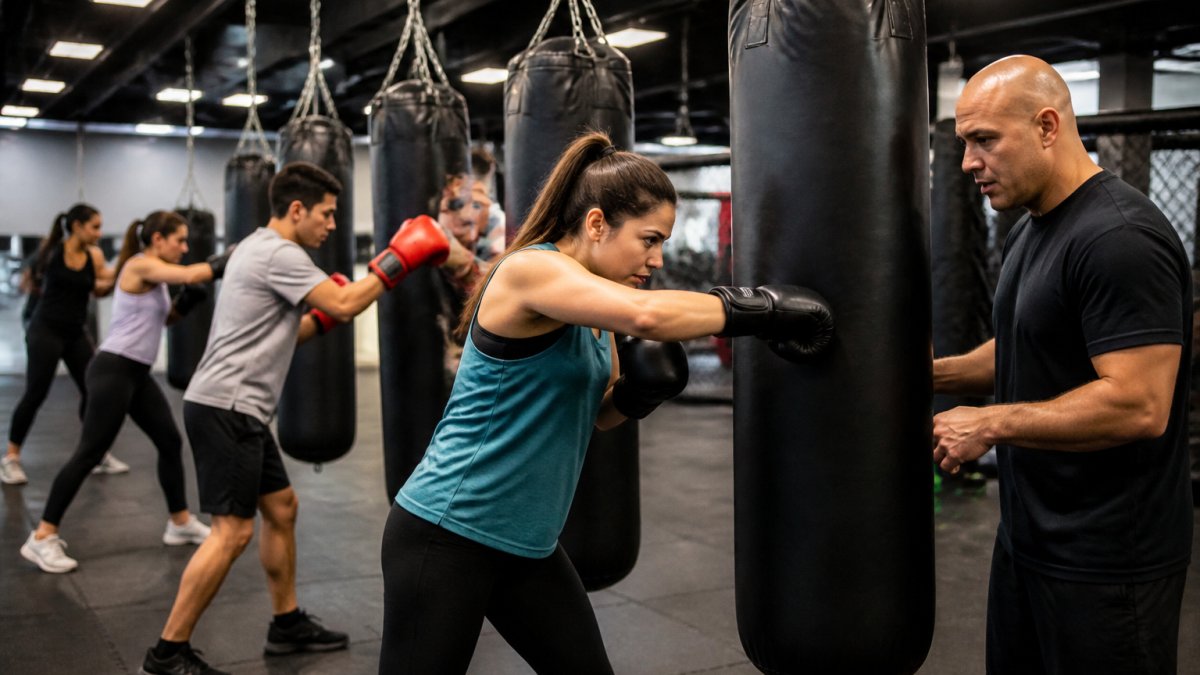
After the warm-up, instructors break down jabs, crosses, hooks, and uppercuts, teaching hand placement, footwork mechanics, and how to generate power from your legs rather than just your arms.
Then you move to the bags. Beginners typically start with heavy bags because they're forgiving and don't move unpredictably like speed bags. The instructor circulates, correcting form and pushing intensity through sustained punching intervals and brief rests.
Cool-Down and Community
The final 5-10 minutes bring your heart rate down with stretching and mobility work. This is when the social aspect of boxing fitness classes kingwood becomes obvious: people chat, congratulate each other, and exchange contact information. That community keeps people coming back.
Boxing Fitness Classes for Beginners: Finding Your Starting Point
If you're new to fitness or returning after years away, find a beginner program that doesn't assume prior experience and doesn't make you feel rushed.
Look for classes labeled "beginner-friendly" or "all levels." These instructors scale intensity, show modifications, and won't single you out for taking breaks. The best keep class sizes manageable for individual feedback.
Timing matters too. Many beginners prefer morning or early evening classes because they're less crowded and the pace feels more controlled.
One common concern is being the only person out of shape. That's rarely true, boxing fitness attracts every fitness level because the workout scales with effort.
Boxing Fitness vs. Traditional Boxing: Which Is Right for You
Boxing fitness classes focus on the workout: cardiovascular conditioning, calorie burn, stress relief, and basic technique.
For most people seeking a boxing fitness class in Kingwood, fitness is the goal, the physical benefits and confidence boost without competitive commitment.
Traditional boxing programs involve longer training cycles, sparring, and significant time investment, ideal for competitive boxing or serious self-defense. For an efficient, energizing workout with community, boxing fitness is the better fit.
Start with boxing fitness classes to build conditioning and confidence, then transition into more serious training if the sport captures your interest, removing the pressure of committing to something you've never tried.
Understanding Boxing Class Cost and Membership Options
Rather than quote a possibly outdated number, understand the three common pricing structures, what drives cost, and how to calculate whether a membership is a good deal for your schedule.
The Three Common Pricing Structures
Most boxing fitness programs sell access in one of three ways:
- Drop-in rate. You pay per class with no commitment. Most flexible and best for testing a facility, but the per-class cost is usually highest. Ideal if you travel often or attend sporadically.
- Class packages. You prepay for a block of classes (commonly 10 or 20) at a discount versus drop-in, lowering your per-class cost. The trade-off: packages often carry an expiration window, so confirm how long your credits last before you buy.
- Unlimited monthly membership. You pay a flat monthly fee for unlimited classes. Best value if you attend consistently, generally two to three times per week or more. Below that frequency, a package or drop-in rate usually costs less overall.
What Actually Drives the Price
Two facilities can charge very different rates for what sounds like the same class. The differences usually come down to:
- Coach credentials and ratios. Programs with certified coaches or competition backgrounds typically cost more than a basic studio, and a lower participant-to-coach ratio means more individual correction, worth paying for as a beginner.
- Equipment included versus bring-your-own. Some facilities provide gloves, wraps, and bags; others expect you to bring your own or buy them on site. Factor equipment into your true cost, especially your first month.
- Class format and length. A 45-minute group fitness class and a 60-minute technique-focused session are not the same product. Compare price per minute and per session, not just the headline number.
- Specialized programming. Programs built around specific populations, such as Rock Steady Boxing for Parkinson's disease or youth neuro-training, often carry different pricing than general adult classes because they require specialized coach training.
How to Calculate Real Value
Do the math before you commit. Divide the total price by the number of classes you'll realistically attend, not the number the package contains. Ask each facility: What is the drop-in rate? What is the per-class cost inside a package? What does the monthly membership include, and is there a cancellation notice period?
At Battenberg's, we structure membership for different commitment levels and budgets. Ask about current rates and trial availability, and compare per-class cost across every option rather than the sticker price alone.
Get Started Today at NO RISK! →
Local Boxing Fitness Options: What to Look For
Not all boxing fitness classes are equal, and the differences that matter most are rarely visible in a social media post. Compare local options on the factors that determine whether you stick with a program.
Compare Class Formats Side by Side
Local programs generally fall into a few formats. Knowing which one you want narrows your search quickly:
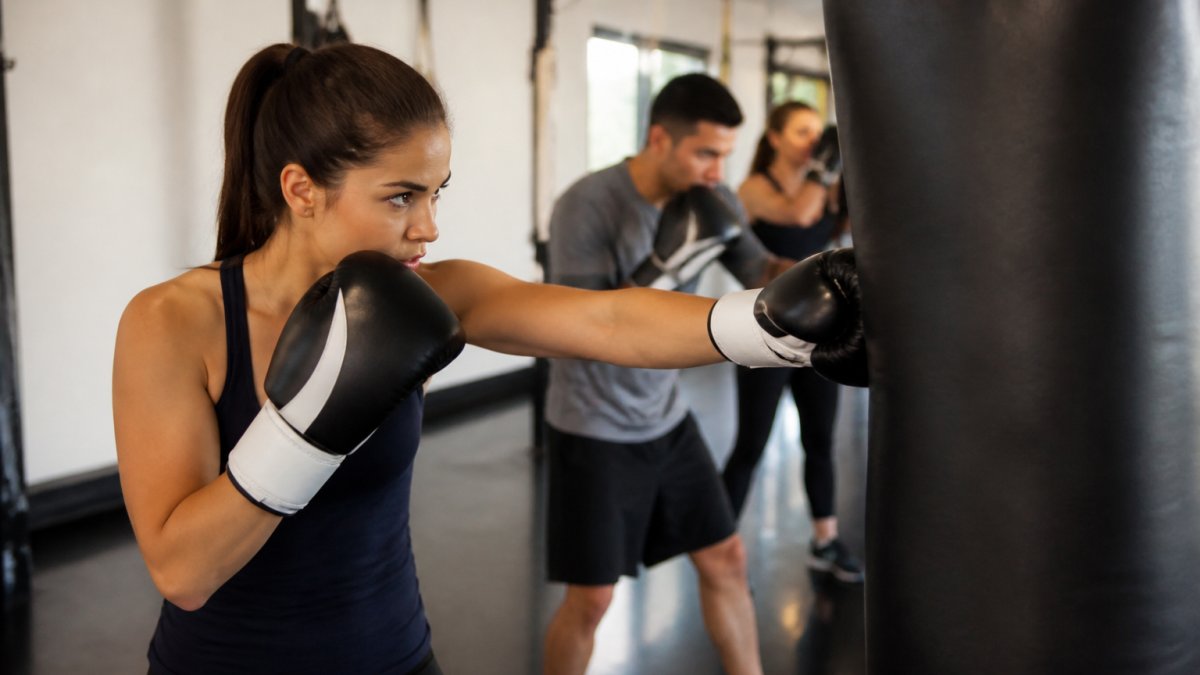
- Boxing fitness / cardio boxing. Non-contact group classes built around heavy bags, shadowboxing, footwork, and conditioning. The goal is fitness and technique fundamentals, not sparring. Best for general fitness, weight management, and stress relief.
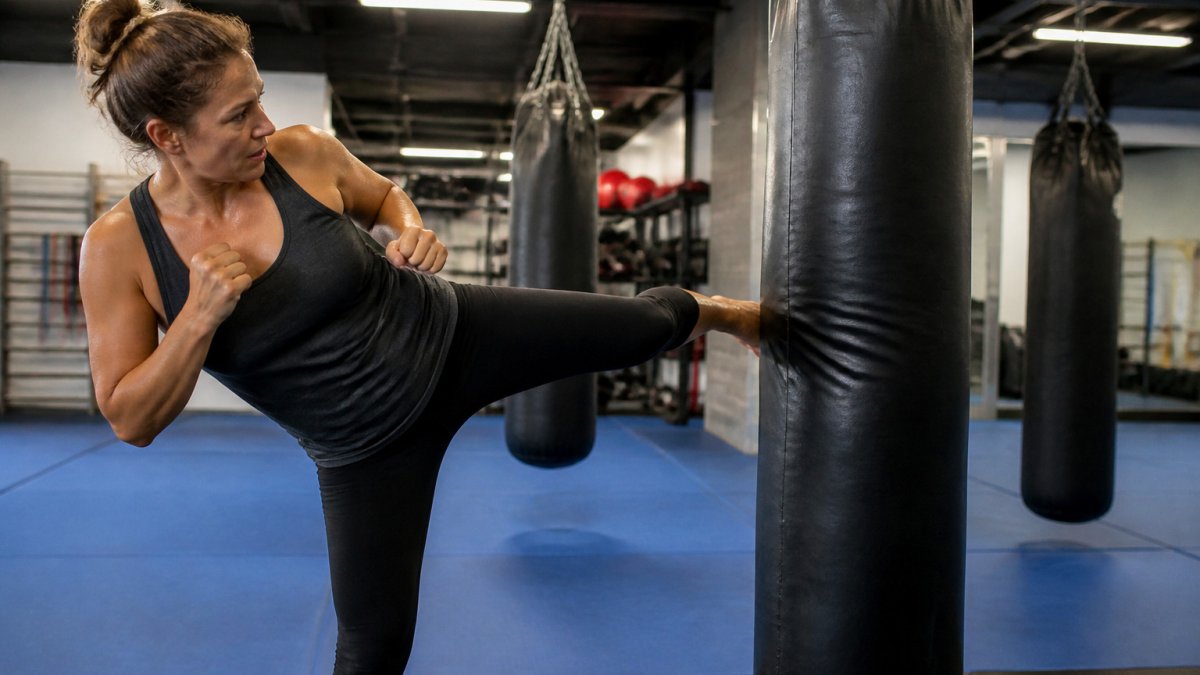
- Cardio kickboxing and conditioning. Blends boxing and kicking combinations with high-intensity intervals. Often higher cardio demand and less technique focus than a boxing-specific class. Best if your primary goal is calorie burn and endurance.
- Traditional boxing training. Sport-oriented training that can include partner drills and sparring. Requires more time and commitment. Best if you want competitive skills or serious self-defense training.
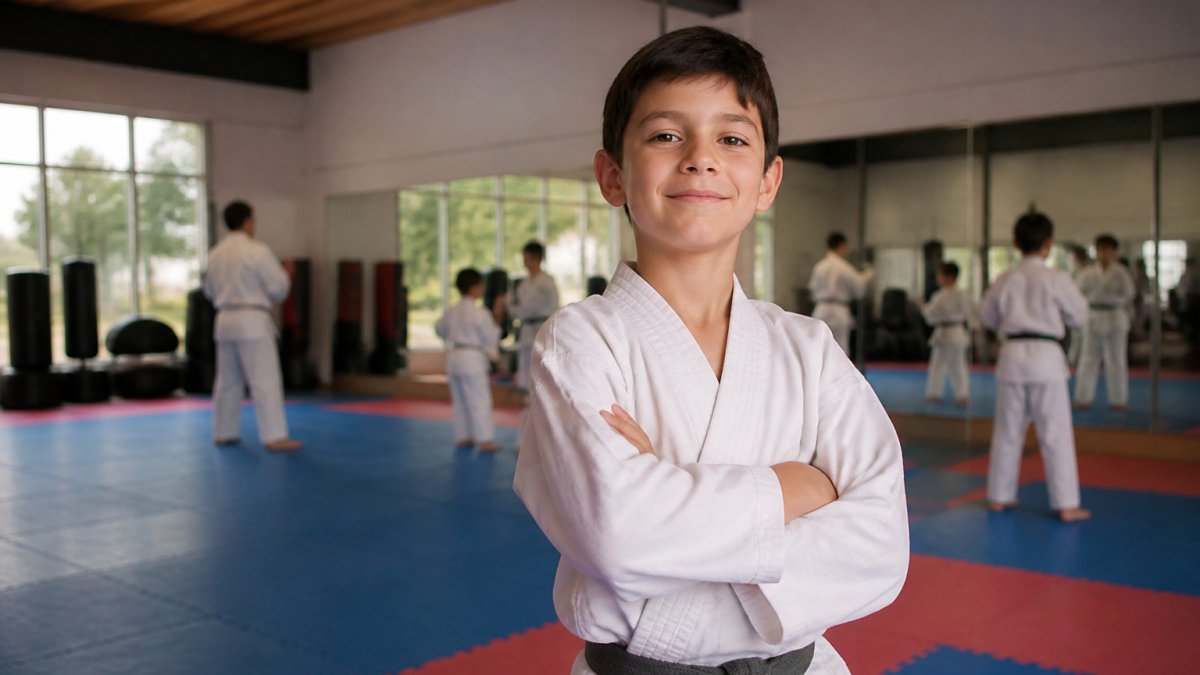
- Youth and family programs. Age-appropriate classes that build coordination, discipline, and confidence. Best for parents choosing a program for a child or a class the family can attend together.
When you contact a facility, ask which format each class on the schedule represents, many studios run more than one, and the class name alone does not always tell you whether sparring or partner contact is involved.
Ask These Questions Before You Commit
A short list of questions separates a well-run program from a crowded room with bags:
- Is this class non-contact, partner-drill, or sparring? Beginners should know exactly what contact level to expect before walking in.
- What is the participant-to-coach ratio? Smaller groups mean more individual form correction, which matters most in your first month.
- Are gloves and wraps provided, or do I bring my own? This affects both your first-class preparation and your true cost.
- How does the coach scale drills for different fitness levels? Look for a clear answer about modifications, not a vague assurance.
- What are the current class times, and how often do they change? Schedules posted on social profiles can lag behind the actual timetable, confirm current times directly.
- What is the cancellation or pause policy on memberships? Important if your schedule is unpredictable.
Match the Class to Your Goal
The best class is the one built for what you actually want:
- General fitness and stress relief: a non-contact boxing fitness class with music, group energy, and scalable intensity.
- Boxing skills and technique: a class with dedicated technique instruction and coach feedback on form, not just conditioning rounds.
- Weight management and conditioning: cardio kickboxing or high-interval boxing fitness with sustained cardiovascular demand.
- Youth development: an age-appropriate program focused on coordination, discipline, and confidence rather than competition.
- Family participation: a facility that runs both adult and youth classes at compatible times so family members can train on the same visit.
Coach Credentials and Training Philosophy
The instructor makes or breaks a boxing fitness class. Look for coaches with actual boxing experience, competitive background, formal certification, or both, and ask whether they prioritize proper form or push maximum intensity regardless of technique.
At Battenberg's, our coaches are led by Masters Jeff and Reneé Battenberg, and we use training protocols directly from 2x Heavyweight Champion George Foreman. That pedigree matters because it means the technique you are learning is sound, and it is paired with an emphasis on proper form over raw intensity.
Safety, Contact Level, and Injury Considerations
Boxing involves contact with equipment and, in some formats, other people. Confirm the contact level before your first class, whether wraps and gloves are provided or required, how injuries and limitations are handled, and what modifications exist for shoulder, wrist, or hand issues.
Class Schedules and Accessibility
A great class does you no good if it doesn't fit your routine. Look for morning, midday, and evening options, and be realistic about drive time, a facility five minutes away you visit consistently beats a better program twenty minutes away you eventually abandon.
Getting Started: Your First Steps
The barrier to starting is often just showing up. Here's how to make that first visit smooth.
Contact the facility ahead of time.
Bring water and a towel, and wear comfortable athletic clothes, no special boxing attire needed for your first class. Wear sneakers with good ankle support.
Tell the coach it's your first class.
Expect to feel sore the next day, especially in your shoulders, core, and legs.
Plan to attend at least 3-4 classes before deciding.
Boxing fitness classes in Kingwood offer a real alternative to standard gym routines.
Battenberg's specializes in boxing fitness and martial arts training for all ages and experience levels.
Frequently Asked Questions
What should I bring to my first boxing fitness class?
Wear comfortable athletic clothing and bring water. Most boxing fitness classes provide hand wraps and gloves, though some gyms ask you to purchase your own after the first few sessions. Bring a towel, arrive 10-15 minutes early to get situated, and let the instructor know you're new so they can offer modifications. Wear cross-training shoes with good ankle support to stay stable during footwork drills.
How much do boxing fitness classes typically cost in the area?
Boxing class pricing depends on membership structure, class frequency, and whether you choose group classes or private lessons. Visit Battenberg's directly for current pricing and membership options, or ask about trial classes or introductory rates. Many facilities offer flexible plans, so you can find an option that fits your budget and schedule without long-term contracts.
What's the difference between boxing fitness and traditional boxing?
Boxing fitness focuses on cardio, conditioning, and stress relief through boxing movements without sparring or competition. Traditional boxing emphasizes technique, ring strategy, and competitive fighting skills. Boxing fitness classes are beginner-friendly and lower-contact, making them ideal if you want a full-body workout and self-defense fundamentals. Traditional boxing requires more training time and is better suited to those pursuing competitive or serious martial arts goals.
Are boxing fitness classes suitable for adults with no experience?
Yes. Boxing fitness classes are designed for all experience levels, including complete beginners. Instructors teach proper hand position, footwork, and breathing from day one. You work at your own pace, there's no sparring or pressure to compete. Many people find the group class format motivating and supportive, and you'll see fitness improvements within a few weeks of consistent training.