 how-to
7 Ways to Help Your Child Focus in School
Last Updated: October 25, 2026
Quick Summary
To help child focus in school, start by identifying the root cause, whether environmental factors like sleep or study space, learning differences, stress, or attention disorders, then build consistent routines, create a distraction-free study area, and ensure adequate sleep and nutrition. Partner with your child's teacher to implement classroom supports and consider structured activities like martial arts that train attention as a skill.
- School-age children need 8-10 hours of sleep nightly; without it, attention and memory decline
- A dedicated study space using the same location and time each day signals focus mode to your child's brain
- Movement breaks increase blood flow to the brain and restore focus after long periods of sitting
- Request a structured 15-20 minute meeting with your child's teacher and bring an observation log of focus patterns
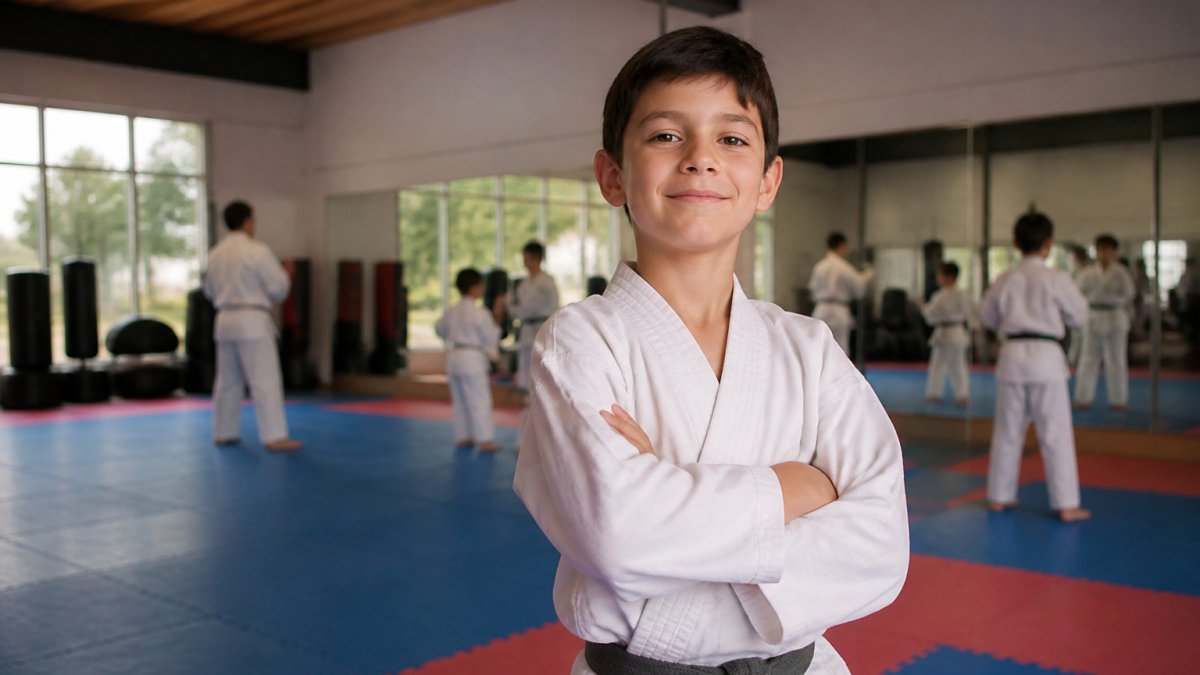
- Martial arts and puzzle games train attention systems directly and build concentration that transfers to schoolwork
Table of Contents
- Why Your Child Struggles to Focus
- How to Improve Concentration in a Child Through Consistent Routines
- How to Help Kids Focus on Schoolwork With a Distraction-Free Study Space
- Sleep, Nutrition, and Movement: Three Pillars of School Focus
- Activities to Improve Focus and Concentration in Kids
- School Routines to Help Children Concentrate During the Day
- Working With Your Child's Teacher to Support Focus
- Enroll Your Child in a Program Built for Focus and Confidence
- Frequently Asked Questions
Why Your Child Struggles to Focus
Before you change routines or buy organizers, run through these categories and note which fit your child.

Sleep problems. A child who snores, wakes repeatedly, or gets too little sleep will show it as inattention. The American Academy of Sleep Medicine recommends 9-12 hours for ages 6-12 and 8-10 for teens (Child Sleep Duration Health Advisory).
Stress and emotional load. Anxiety, family changes, bullying, and perfectionism consume working memory.
Attention disorders. ADHD and related conditions are real neurodevelopmental differences, not discipline problems.
Observe before you act. Keep a simple log for one to two weeks: time of day, subject, setting, who was present, and what happened right before focus dropped. Patterns matter more than single incidents, losing focus only during independent reading means something different from losing it all day.
When to seek professional guidance. Talk to your pediatrician or school support team if focus problems persist for weeks, appear across settings, and interfere with learning or relationships. Bring your observation log. A pediatrician can rule out sleep, vision, hearing, and medical causes and refer you for a formal evaluation. Early support is not a label, it's a shortcut to the right strategies.
The key insight: focus is a skill, not a personality trait.
Common causes of focus problems fall into several categories, each with different solutions.
| Cause | Signs to Watch For | First Step |
|---|---|---|
| Environmental and lifestyle factors | Falls apart on school nights but focuses on weekends | Review study space, sleep schedule, meals, screen time |
| Sleep problems | Snoring, waking repeatedly, or too little sleep | Aim for 9-12 hours (ages 6-12) or 8-10 hours (teens) |
| Stress and emotional load | Focus problems cluster around specific days or subjects | Watch for anxiety, family changes, or bullying |
| Learning differences | Fine during hands-on activities but struggles with reading or math | Request a learning evaluation from school |
| Vision and hearing | Drifts or doesn't respond to teacher | Schedule routine vision and hearing screening |
| Attention disorders | Difficulty sustaining attention across settings, loses materials | Consult qualified professional for diagnosis |
How to Improve Concentration in a Child Through Consistent Routines
Routines are the foundation of childhood focus. When your child knows what to expect, their brain doesn't waste energy on uncertainty.
Build a predictable daily schedule. Set consistent times for waking, meals, homework, and bedtime. Children thrive on structure.
Start with these key routines:
- Wake at the same time every morning
- Eat breakfast before school
- Do homework at the same time each day
- Limit screen time to set windows
- Begin bedtime routine at the same hour
At Battenberg's, we see how routine transforms behavior. Children who train at consistent times develop better self-regulation across all areas of life, including schoolwork.
Use visual reminders. Post the schedule where your child can see it and let them check off completed tasks.
How to Help Kids Focus on Schoolwork With a Distraction-Free Study Space
Your child's study environment directly affects concentration. A chaotic space pulls attention in multiple directions; a calm, organized one supports focus.
Design a dedicated study area. No separate room needed, a corner of the kitchen table or a bedroom desk works.
Remove visual distractions from this space:
- Put away toys and games
- Close doors or use a room divider to block activity in other areas
- Keep only materials needed for current schoolwork on the desk
- Store supplies in labeled bins or drawers
Control noise and interruptions. Background noise fragments attention.
Ask your child what distracts them most, some need absolute silence, others focus better with gentle background sound.
Reduce access to screens during focus time. Put phones, tablets, and computers in another room during homework.
Sleep, Nutrition, and Movement: Three Pillars of School Focus
These three factors work together to build a brain ready for concentration. Neglect any one, and focus suffers.
Establish a consistent bedtime. Put screens away one hour before sleep. Keep the bedroom cool and dark.
Nutrition fuels focus. The brain runs on glucose and nutrients.
Provide balanced meals and snacks:
- Whole grains for steady energy
- Protein to support brain function
- Fruits and vegetables for vitamins and minerals
- Healthy fats from nuts, seeds, and fish
Avoid large amounts of sugar before schoolwork. The energy spike followed by a crash makes concentration impossible.
Movement breaks restore focus. Physical activity increases blood flow to the brain and releases chemicals that improve attention.
Build movement into the day:
- A 15-minute walk before homework
- Jumping jacks or stretching during study breaks
- Outdoor play after school
- Sports or martial arts training
Discover how boxing and other movement practices support weight loss and sustained focus as part of a comprehensive approach to your child's health.
At Battenberg's, we teach children that movement isn't a distraction from focus, it's a tool that builds it.
Get Started Today at NO RISK! →
Activities to Improve Focus and Concentration in Kids
Certain activities train the brain's attention systems directly. These aren't just fun, they're tools for building focus.
Learn how martial arts improves focus in kids by exploring the specific ways training builds concentration and self-regulation.
Puzzles and strategy games strengthen attention. Chess, building blocks, and brain teasers require sustained focus.
Reading builds concentration gradually. Start with books your child enjoys and short sessions, then increase duration over time.
Art and music require sustained attention. Drawing, painting, or learning an instrument all demand focus.
Hands-on learning activities engage focus. Science experiments, cooking, and building projects require active participation.
For structured training that combines physical activity with focus development, explore martial arts programs designed for children in your area.
School Routines to Help Children Concentrate During the Day
What happens at school matters as much as what happens at home. Partner with teachers to reinforce focus strategies in class.
Ask the teacher about classroom setup. Where does your child sit? Are they near distractions?
Request movement breaks. Children aren't designed to sit still for six hours, and teachers who allow brief breaks see improved focus afterward. Ask if your child can stand at their desk, stretch, or take a quick walk.
Use visual schedules and checklists in class. Teachers can post the day's schedule so your child knows what to expect.
Build transition routines between subjects. When a class ends and a new one begins, attention often drops.
Communicate with the teacher about homework. Ask what's assigned and when it's due. Clarify expectations.
Working With Your Child's Teacher to Support Focus
Your child spends most of their day at school. Teacher support is essential, but vague requests like "please help my child focus" rarely change anything.
Start with a structured conversation, not a complaint. Request a short meeting (15-20 minutes is enough) and bring three things: your observation log, a list of what already works at home, and two or three specific questions. Good openers:
- "When during the day do you see focus drop most?"
- "What does it look like when my child loses focus, wandering, talking, staring, shutting down?"
- "Which strategies have you already tried, and what happened?"
- "What can I do at home that would make your job easier?"
- "If we try these supports for four to six weeks, how will we know if they're working?"
Build a shared support plan. Ask the teacher which classroom adjustments are realistic. Common, low-cost accommodations include:
- Preferential seating (front of room, away from doors and high-traffic areas)
- Movement breaks or permission to stand at the desk
- Written instructions alongside verbal ones
- Breaking long assignments into smaller chunks with check-ins
- Extra time on tests or assignments when needed
- A quiet space for tests or independent work
- A visual schedule or checklist on the desk
- A private signal the child can use to ask for help without drawing attention
Agree on two or three supports to start, not ten. Too many changes at once make it impossible to tell what's helping.
Coordinate the home side. Ask the teacher how homework is assigned and how you should communicate about it (planner, app, weekly email).
Measure progress and adjust. Pick one or two simple metrics and track them for four to six weeks: task completion (how many assignments finished), time on task (how long your child stays with work before a break), and frequency of redirection. Ask the teacher to note the same things. Then meet again and compare.
Know the formal pathway. If focus difficulties persist despite consistent supports, ask the school in writing about a formal evaluation. Under the Individuals with Disabilities Education Act (IDEA), schools have an obligation to evaluate children suspected of having a disability that affects learning, and Section 504 of the Rehabilitation Act provides another route to accommodations for children who need them. You can request an evaluation in writing at any time; the school must respond. Your pediatrician can also refer you for an independent evaluation. These processes are not about labeling your child, they are about unlocking the supports that let your child learn.
Keep the relationship positive. Teachers respond best to partnership, not blame.
Enroll Your Child in a Program Built for Focus and Confidence
Structured training programs teach focus as a core skill.
At Battenberg's, our programs are designed to help children develop the focus, self-confidence, and discipline they need both in the dojo and in the classroom.
Our instructors, Masters Jeff and Reneé Battenberg, work with each child to build focus through consistent practice, clear expectations, and immediate feedback.
Beyond martial arts, our comprehensive programs for all ages emphasize leadership, self-regulation, and mental resilience. These are the skills that underpin school focus.
Focus in school isn't mysterious.
Frequently Asked Questions
How can I help my child focus on schoolwork if they have ADHD or attention difficulties?
Start by identifying the root cause: is it the environment, sleep, nutrition, or something else? Work with your child's teacher and doctor to rule out underlying conditions. Break schoolwork into short, manageable tasks (10-15 minutes for younger children), use visual reminders and checklists, and reward task completion with movement breaks. Consistent routines and a quiet, organized study space make the biggest difference. If attention difficulties persist, ask your teacher about classroom accommodations or request an evaluation through your school.
What activities improve focus and concentration in kids most effectively?
Physical activity is one of the most powerful tools: sports, martial arts, dancing, or even a 10-minute walk before homework boosts concentration for hours. Structured activities like martial arts teach self-regulation and mental discipline. Hands-on learning (building, drawing, problem-solving games) engages attention better than passive tasks. Mindfulness activities, yoga, and breathing exercises also help. The key is consistency, regular movement and engagement build stronger attention span over time.
How much sleep does my child need to focus well at school?
School-age children (6-12 years) need 9-12 hours of quality sleep per night. Teens need 8-10 hours. Sleep deprivation directly impairs focus, memory, and emotional regulation. Establish a consistent bedtime routine 30-60 minutes before sleep: dim lights, no screens, and a calm environment. A well-rested child shows marked improvement in classroom concentration and homework completion within days of better sleep habits.
When should I talk to my child's teacher about attention difficulties?
Contact your teacher if you notice your child consistently struggles to complete assignments, misses instructions, or falls behind despite your support at home. Schedule a conversation early, don't wait until grades drop. Bring specific examples: "He loses focus 10 minutes into homework" or "She forgets assignments three times a week." Ask about classroom observations, what strategies the teacher has tried, and whether a school evaluation might help. Parent-teacher collaboration is essential for identifying whether the issue is environmental, developmental, or something that needs professional assessment.