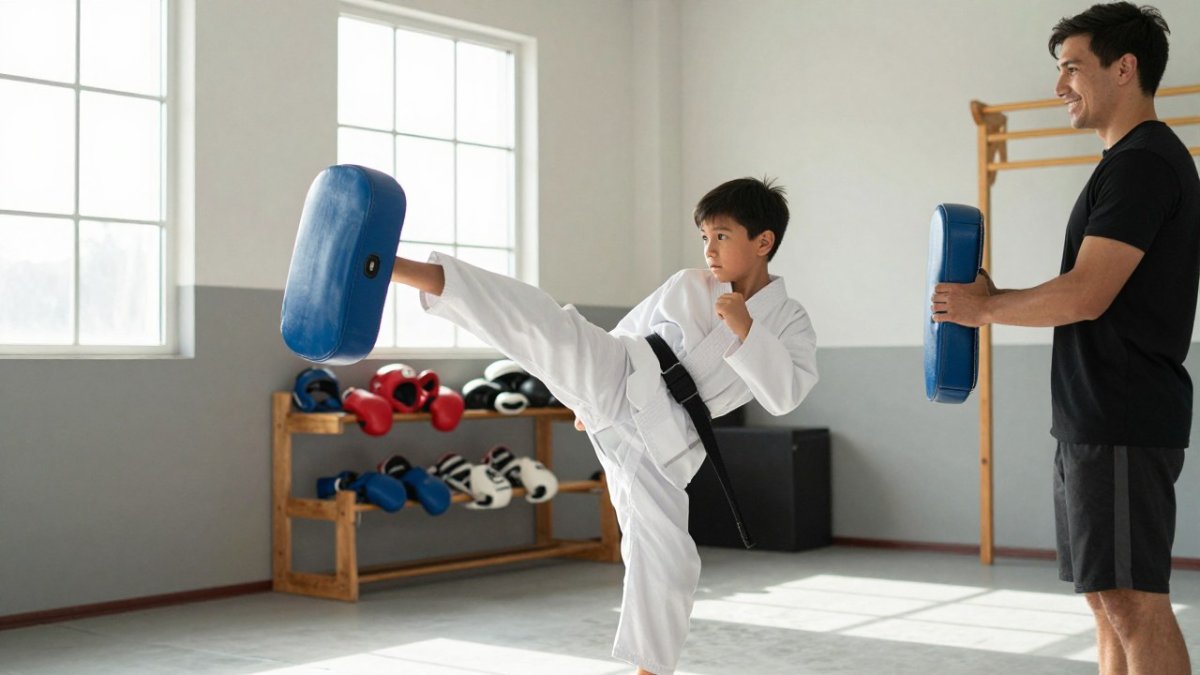
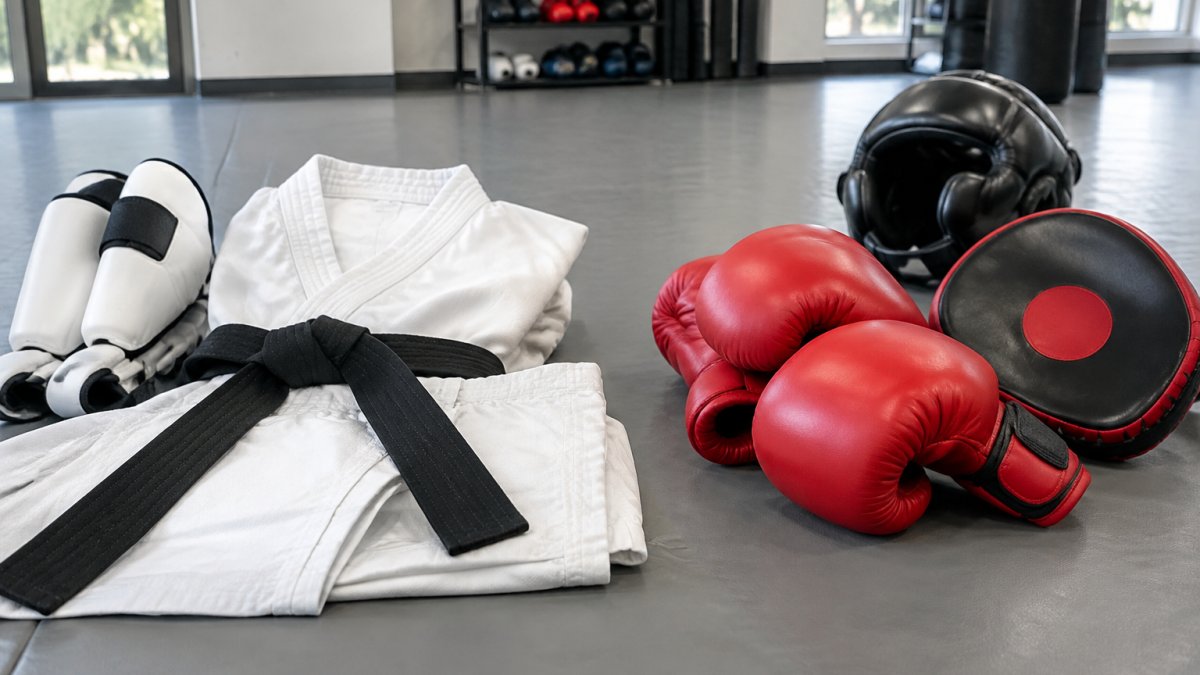
 comparison
Martial Arts vs Combat Sports: Key Differences Explained
Last Updated: November 12, 2026
Quick Summary
Martial arts are fighting systems practiced for self-defense, discipline, personal development, or cultural tradition, while combat sports are contact sports held under defined rules with a winner decided by scoring or stoppage. The two share many techniques, so the difference lies mainly in the frame around the training. Martial arts vs combat sports is best judged by your goal: growth and character or measurable competition.
- Traditional martial arts center on self-improvement, discipline, and respect, with competition optional.
- Combat sports center on performance, so training prioritizes conditioning, timing, and strategy for winning matches.
- Boxing is a combat sport, but many boxing gyms also teach self-defense and footwork.
- Competition rules shape which techniques fighters practice most, which affects how well skills transfer to real confrontations.
- Ask a gym which rules it trains under, how often students spar live, and whether self-defense is taught outside competition rules.
Table of Contents
- Martial Arts vs Combat Sports: Core Definitions and Overlap
- Philosophy and Purpose: Self-Improvement Versus Winning
- Is Boxing a Martial Art? Examples Across Both Categories
- Combat Sports Examples and How Each Trains Fighters
- Martial Arts Competition Rules and How They Shape Real-World Use
- Martial Arts vs Combat Sports vs MMA: Where Each Fits
- Choosing Your Training Path: Goals, Safety, and Choosing a Gym
- Frequently Asked Questions
Martial Arts vs Combat Sports: Core Definitions and Overlap
Martial arts and combat sports are often used as if they mean the same thing, but they describe different emphases in fighting training. Many gyms teach both, and many practitioners move between them over the years. Understanding where each one sits helps you choose the right training path. This guide walks through the definitions, the overlap, and how to decide.
A martial art is a fighting system practiced for self-defense, discipline, personal development, or cultural tradition. A combat sport is a contact sport in which two competitors face each other under a defined set of rules, with a winner decided by scoring or a stoppage.
Why the Two Categories Overlap
The categories overlap because the same techniques serve both goals. A boxing jab can be a self-defense tool or a scoring point. A throw from judo can end a street confrontation or win a competition match. What separates the two is usually the frame around the training, not the movements themselves.
Many traditional martial arts now include live sparring, and many combat sports emphasize character and respect. The overlap is practical, not a flaw in either category. Ask a gym what its students are working toward, and the answer will tell you more than the label on the door.
Philosophy and Purpose: Self-Improvement Versus Winning
Traditional martial arts usually place self-improvement at the center. Training is built around discipline, respect, patience, and character development, with competition as an optional part of the path.
Combat sports center on performance. Athletes train to win matches under a ruleset, so conditioning, timing, and strategy get heavy attention. Discipline still matters, but the measure of success is usually a result on the scoreboard.
Neither approach is better in every case. A parent looking for focus and respect in a child may value the traditional frame, while an adult who wants a measurable challenge may prefer competition. Knowing which outcome you want is the first step.
Is Boxing a Martial Art? Examples Across Both Categories
Boxing is widely described as a combat sport, and it is governed by a formal ruleset, weight classes, and a scoring system. Many boxing gyms, however, teach self-defense, footwork, and conditioning that serve the same purposes as traditional martial arts. So the honest answer depends on how the training is framed. That distinction becomes clearer when practical martial arts training is judged by whether its goals extend beyond performance under a sport’s rules.
Other examples follow the same pattern. Brazilian jiu-jitsu, judo, and taekwondo each have traditional roots and also compete under formal rules. Muay Thai and wrestling sit more firmly on the combat sport side, though many practitioners study them for self-defense too.
Combat Sports Examples and How Each Trains Fighters
Combat sports train fighters through live, rule-bound practice. Sparring is central, and it is usually more intense than in traditional classes. The training is designed to prepare an athlete for an opponent who is actively trying to win.

A typical week in a competition-focused gym includes technical drills, conditioning, strength work, and regular live rounds. The goal is to build reliable skills under pressure. Traditional martial arts classes may include similar techniques, but they often pace the intensity more gradually.
Martial Arts Competition Rules and How They Shape Real-World Use
Competition rules define what techniques are allowed, how points are scored, and when a match ends. Those rules do more than keep matches fair, they quietly reshape the habits a fighter builds over thousands of repetitions.
Four rule variables drive most of the effect:
- Permitted techniques. A ruleset that bans takedowns or ground fighting trains a fighter to stay standing and to ignore the possibility of being taken down. A ruleset that rewards points for a clean strike trains accuracy and distance management. The techniques a rule set excludes are the ones a competitor practices least, and those are often the ones a self-defense situation demands.
- Protective equipment. Gloves, headgear, shin guards, and mouthguards change both the risk calculus and the technique. Headgear reduces cuts and some impact but does not eliminate concussion risk, and it can encourage a fighter to absorb shots they would otherwise avoid.
- Weight classes. Weight classes create fair matches between similar-sized opponents. Real confrontations rarely offer that courtesy, so a competitor who has only trained against people within a few pounds of their own weight has limited experience with size and strength disparities.
- Match format and pacing. Rounds, rest periods, and time limits train a specific kind of conditioning and strategy. A three-round bout rewards pacing and recovery; a short self-defense encounter rewards explosive output and immediate disengagement. A points-based format can also reward a touch that scores over a strike that stops an attacker.
What transfers well is often the underlying attribute rather than the technique itself: footwork, distance judgment, timing, balance, and the composure that comes from having been hit or grabbed under pressure.
Watch out: a gym that markets competition success as self-defense readiness without explaining its ruleset is asking you to assume a transfer that may not exist.
Martial Arts vs Combat Sports vs MMA: Where Each Fits
Mixed martial arts (MMA) combines striking and grappling from several disciplines under a single ruleset. It is a combat sport, but it draws on many martial arts. This makes MMA a useful bridge between the two categories. Traditional martial arts emphasize the system, combat sports emphasize competition, and MMA emphasizes combining the two under a unified set of rules.
For most readers, the choice is less about labels and more about training intensity, competition interest, and the frame the instructor uses.
Choosing Your Training Path: Goals, Safety, and Choosing a Gym
Start by naming the outcome you actually want, because the categories overlap enough that the label on the door tells you less than the training inside it.
Match your goal to a training emphasis:
- Fitness and conditioning. Striking arts such as boxing, Muay Thai, and kickboxing build cardiovascular capacity and footwork; grappling arts such as judo, wrestling, and Brazilian jiu-jitsu build strength, leverage, and positional control. Most competition-focused gyms also run separate conditioning and strength sessions.
- Competition. Look for a gym with an active competition team, a defined ruleset, and a sparring progression that ramps contact as skill grows. Boxing, judo, wrestling, taekwondo, and MMA all offer formal competition pathways.
- Self-defense. Prioritize programs that teach awareness, de-escalation, and techniques outside a sport ruleset, and that spar with some realism. A traditional art with live resistance training can serve this goal; a competition-only program may leave gaps around weapons, multiple attackers, and ground survival.
- Cultural study and tradition. Traditional arts such as karate, taekwondo, and judo often include forms, etiquette, and belt-rank progression that carry historical and cultural content. Ask how much of class time goes to forms versus live practice.
- Confidence and character development, especially for children. Look for clear progression, respectful instruction, and beginner support. Belt ranks can motivate, but ask what a rank actually certifies.
- Recreational training. Many adults want technique, fitness, and community without competition. Most gyms offer this, but ask whether recreational students spar and how they are grouped.
Discipline-by-discipline quick reference:
- Karate and taekwondo blend traditional forms and rank progression with competition circuits; sparring rules vary widely by organization.
- Boxing is a striking sport with a formal ruleset, weight classes, and scoring; many gyms also teach footwork and conditioning that serve self-defense.
- Judo and wrestling are grappling sports built on throws, takedowns, and control; both have strong competition cultures and practical transfer to close-quarters situations.
- Brazilian jiu-jitsu centers on ground control and submissions, with a strong competition scene and a self-defense tradition; schools differ on how much standing and striking they include.
- MMA combines striking and grappling under a unified ruleset and draws on several disciplines; it is the clearest example of a combat sport built from martial arts.
Assess safety and training intensity. Contact level is the first question. Ask how sparring is introduced for beginners, whether protective gear is required, and how the gym handles injuries.
Evaluate the instructor and the class. Ask these questions before you commit: a taekwondo classes guide for preschoolers covers age-appropriate options for young children. a self-defense classes guide for women lists which beginner classes suit that goal.
- Who teaches the classes, and what is their competition, coaching, or certification background?
- How is sparring structured for beginners, and is it optional?
- Is the focus self-defense, fitness, competition, or a mix, and does the class schedule reflect that?
- What is the student-to-instructor ratio, and how are new students integrated?
- Can you watch a class before you commit, and is there a trial period?
The best path is the one that matches your goals, so visit a class and see how it feels before you decide.
The table below sums up which training emphasis fits each goal, based on the guidance in this section.
| Goal | Training emphasis | Example disciplines |
|---|---|---|
| Fitness and conditioning | Striking builds cardio and footwork; grappling builds strength and control | Boxing, Muay Thai, judo, wrestling |
| Competition | Active competition team, defined ruleset, ramped sparring | Boxing, judo, wrestling, taekwondo, MMA |
| Self-defense | Awareness, de-escalation, live resistance outside sport rules | Traditional arts with live resistance training |
| Cultural study and tradition | Forms, etiquette, belt-rank progression | Karate, taekwondo, judo |
| Confidence and character (children) | Clear progression, respectful instruction, beginner support | Belt-ranked traditional arts |
| Recreational training | Technique, fitness and community without competition | Most gyms offer this |
Frequently Asked Questions
What is the difference between martial arts and combat sports?
Martial arts are systems of fighting techniques often tied to tradition, self-defense, discipline and personal development, and many are practiced without competition. Combat sports are organized contests with defined rules, scoring and referees, where the goal is to win a match against an opponent. The two overlap heavily: many combat sports grew out of traditional martial arts, and many martial arts schools run sparring or competition. The practical distinction lies in priority. Martial arts emphasize the broader art and character development, while combat sports emphasize measurable performance under competitive conditions.
Is boxing considered a martial art or a combat sport?
Boxing is generally classified as a combat sport. It is organized around rounds, weight classes, a referee, judges and a scoring system, and its goal is to win a bout through punches. Some people also treat boxing as a martial art because it teaches footwork, defense, timing and discipline. Both labels can be accurate depending on whether you focus on the sport's structure or its training value. Boxing is one of the clearest examples of where the two categories overlap.
Is martial arts a sport or an art?
It can be both. Martial arts are traditionally described as an art, a body of techniques, principles and personal development practices. When a martial art is practiced through organized competition with rules and scoring, it takes on the characteristics of a sport. Many schools offer both paths, so a student may train the art for self-defense and self-improvement while also competing in sport divisions. The choice depends on the school and the student's goals.
How do martial arts and combat sports differ in competition?
Competition in combat sports is central: athletes compete in sanctioned events with weight classes, time limits, defined scoring and referees who enforce rules. Traditional martial arts competitions, where they exist, often focus on forms, demonstrations or sparring with more limited contact and different scoring. Rules shape what techniques are legal and how a winner is decided, so a fighter's real-world skills are often tested differently depending on the rule set. Reviewing a specific event's rules before entering is the most reliable way to know what a match will demand.