 How-to
How to Help Children Focus in School with Proven Strategies
Last Updated: November 24, 2026
Quick Summary
To help children focus in school, build a consistent daily routine with visual schedules, fixed homework times, and clear transition warnings, then break work into small chunks with visible endpoints and short movement breaks. Reduce distractions by clearing the desk, managing screen time, and adjusting lighting, noise, and seating to your child's sensory needs.
- Post a visual schedule and keep the same wake-up, meal, homework, and bedtime times on school days.
- Break assignments into ten-minute chunks with a visual timer and a two-minute stretch break between them.
- Give instructions one or two steps at a time so multi-step directions are not lost in working memory.
- Keep phones in another room during homework, since even a silent phone pulls attention.
- Ask the teacher when focus is strongest or hardest and which classroom accommodations seem to help.
Table of Contents
- Recognizing When a Child Struggles to Focus in School
- Building a Consistent Daily Routine to Help Children Focus
- How to Help a Child with ADHD Focus in School
- The Link Between Physical Activity and Academic Performance
- Martial Arts for Focus in Kids: Structured Movement That Builds Attention
- Setting Up a Distraction-Free Study Space and Managing Screen Time
- Partnering with Teachers: Communication Templates for Parents
- Choosing the Right Support Program for Your Child
- Frequently Asked Questions
Recognizing When a Child Struggles to Focus in School
Watching your child struggle to focus in school can feel lonely, and it is one of the most common concerns parents face. Knowing how to help children focus in school starts with spotting the real signs early, not waiting for a report card.
Focus problems rarely look the same at every age. A young child may squirm, fidget, or forget simple directions. An older child may daydream quietly and slip through the cracks.
Focus is the ability to keep attention on one task while tuning out distractions. Because these skills develop gradually, consistent routines and executive function strategies can help children practice managing attention and self-regulation.
- Ages 4-6: trouble sitting still, frequent meltdowns at transitions, losing track of simple two-step directions
- Ages 7-9: unfinished classwork, careless mistakes, blurting answers, losing supplies
- Ages 10-12: disorganized homework, missed deadlines, avoiding long assignments, low confidence
- Teens: zoning out in class, poor time management, procrastination, dropping grades
If several of these show up across home and school, it is worth a closer look. For a broader set of practical strategies, our team points parents to 7 ways to help your child focus in school.
Focus problems look different at every age, so here are the signs to watch for by age group.
| Age group | Signs of focus difficulty |
|---|---|
| Ages 4-6 | Trouble sitting still, meltdowns at transitions, losing two-step directions |
| Ages 7-9 | Unfinished classwork, careless mistakes, blurting answers, losing supplies |
| Ages 10-12 | Disorganized homework, missed deadlines, avoiding long assignments, low confidence |
| Teens | Zoning out in class, poor time management, procrastination, dropping grades |
Building a Consistent Daily Routine to Help Children Focus
Predictable routines reduce the mental load that drains a child's attention. When kids know what comes next, they spend less energy bracing for surprises and more energy on learning.
Start with a visual schedule posted where your child can see it. Picture cards work well for younger kids; a simple written checklist works for older ones.
Keep the same wake-up, meal, homework, and bedtime times on school days. Add clear behavioral cues, like a five-minute warning before transitions, so switches feel calm instead of sudden.
- Lay out clothes and pack the backpack the night before
- Set a fixed homework start time
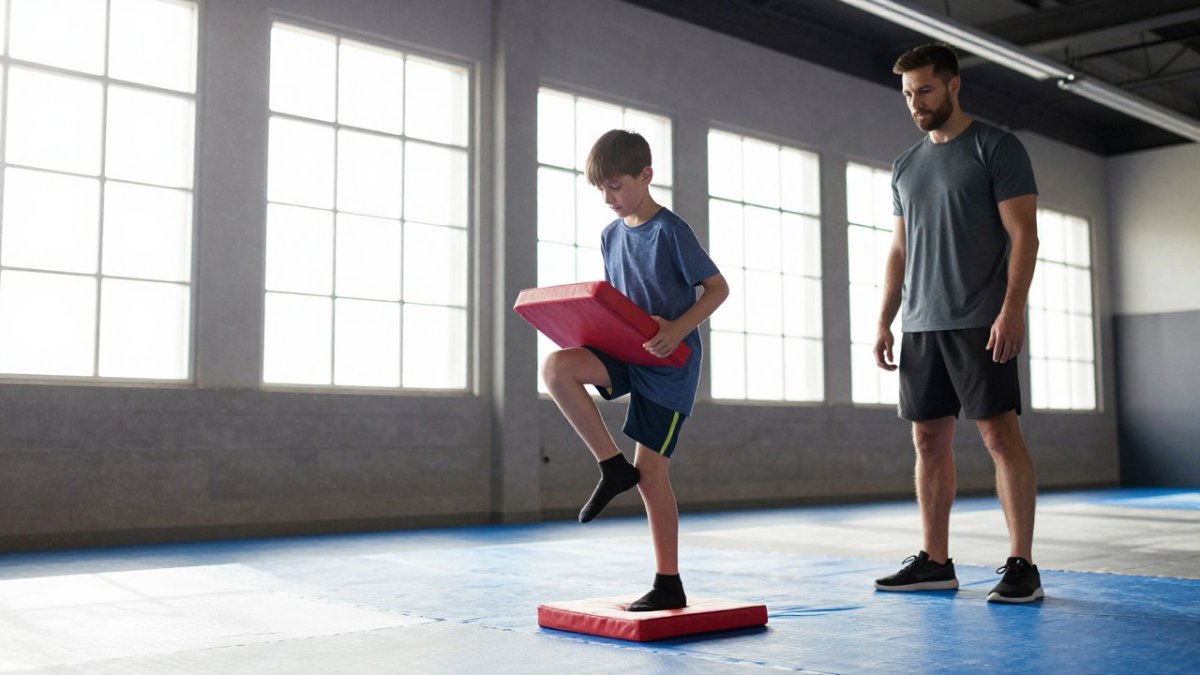
- Build in a short movement break after school before homework
- Dim screens an hour before bed
The goal is not a rigid schedule. It is a steady rhythm your child can trust.
How to Help a Child with ADHD Focus in School
ADHD can affect how the brain manages attention, impulse control, and task initiation (Attention-Deficit/Hyperactivity Disorder (ADHD)).
The goal is not to eliminate movement or interest but to channel it so the child can stay engaged with the work.
Break work into small chunks with visible endpoints. A big assignment feels like overwhelm; a single ten-minute task feels doable.
Reduce cognitive load by clearing the desk to only what the task needs. A cluttered space competes for attention.
Give instructions one or two steps at a time. Children with ADHD often lose multi-step directions in working memory. Say "Put your name on the paper," wait for that to happen, then say "Now do the first problem." This is called chunking instructions, and it prevents the child from feeling lost before they start.
Offer choice within structure. "Do you want to start with math or reading?" gives a sense of control while keeping the expectation that work happens.
Praise effort out loud, not just results. "You sat and worked for ten minutes straight, that took real focus" tells the child exactly what behavior you want to see again. This is more effective than "good job" because it names the specific action.
Neurodiversity-affirming support means accepting how your child's brain works and building systems around it. That shift in mindset matters more than any single trick.
Watch out: If your child's focus struggles are severe, persistent across settings, and affecting daily life, talk to your pediatrician or a school psychologist.
The Link Between Physical Activity and Academic Performance
Movement is one of the most underused tools for attention. Physical activity supports the self-regulation kids need to sit, listen, and learn.
Movement Breaks and Sensory Regulation at Home
Sensory regulation means giving the body the input it needs to feel calm and alert. Some kids need heavy work, like pushing or carrying. Others need quick bursts of movement.
Try a two-minute break between homework subjects:
- Ten jumping jacks or a short hallway walk
- Wall pushes or carrying a stack of books
- A stretch or a drink of water
For the full picture of how structured activity builds focus, fitness, and confidence, see the benefits of martial arts for kids.
Martial Arts for Focus in Kids: Structured Movement That Builds Attention
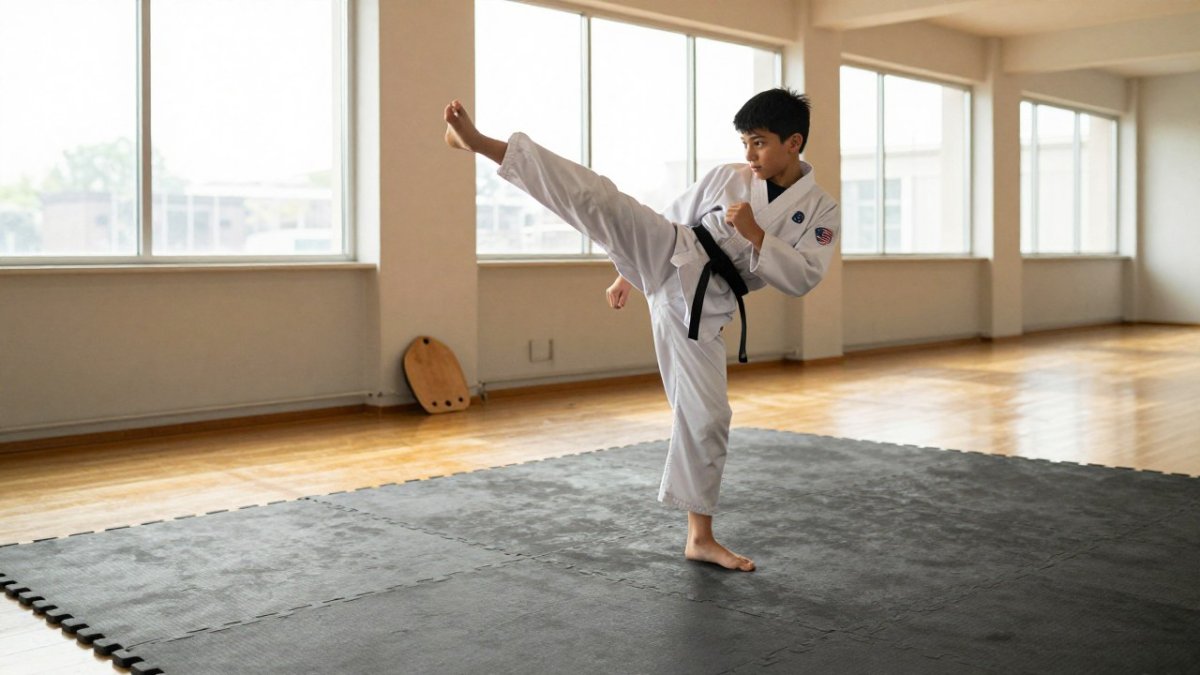
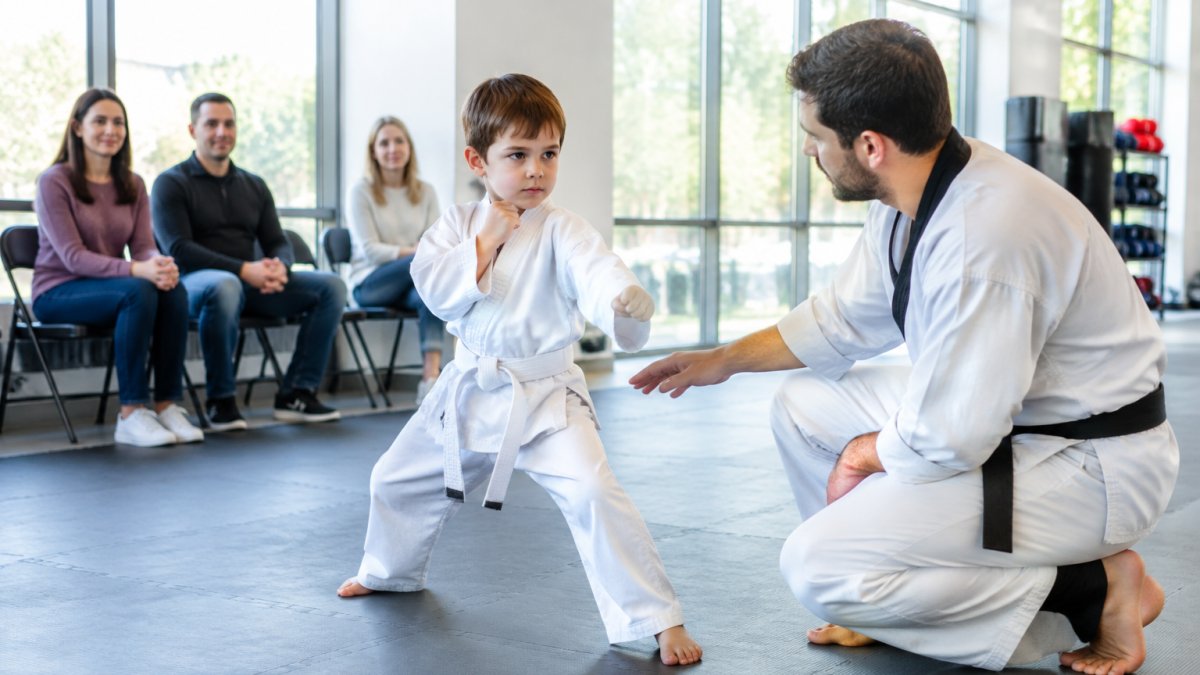
Martial arts can help build focus in kids by turning attention into a physical skill children practice. Students must watch, listen, and repeat precise movements, which trains concentration and active listening at the same time.
At Battenberg's, our Pre-Karate Kub program for ages 4-6 includes Neuro-Training during these critical formative years.
The man is American.
For a deeper parent's guide on this exact subject, read martial arts for focus in kids.
Setting Up a Distraction-Free Study Space and Managing Screen Time
A calm learning environment does more for focus than most parents expect. The right study space removes temptation before it starts, but it also needs to account for how your child's senses process the world.
Start with the basics: one dedicated spot for homework, used every day. Consistency helps the brain shift into work mode. Face the desk away from windows and doorways so movement does not pull the eyes.
Then look at sensory factors. A space that feels fine to you may be overwhelming to your child. Consider these often-overlooked adjustments:
- Lighting: Fluorescent lights can flicker and hum, which some children find distracting or even irritating. A desk lamp with a warm bulb or natural light from a side window is often calmer. If your child squints or complains about brightness, try dimming the overhead light.
- Noise: Background noise from a TV, siblings, or a busy street can compete for attention. For some kids, soft instrumental music or white noise helps mask distractions. For others, noise-canceling headphones or simple earplugs create the quiet they need.
- Texture and seating: A hard chair may feel uncomfortable, leading to squirming. A cushion, a wobble stool, or even a standing option can give the body the input it needs to stay alert without being distracting. Let your child try a few options and notice which one helps them settle.
- Visual clutter: Keep the desk surface minimal. Store extra supplies in a bin or drawer. A visual schedule or a simple checklist posted nearby can reduce the number of times your child asks "What do I do next?"
Managing screen time matters just as much. Keep phones in another room during homework, not just face down on the desk. Even a silent phone can pull attention because the brain knows it is there.
Create a transition ritual. A two-minute warning before homework starts, a specific song, or a quick stretch can signal the brain that it is time to shift gears.
Watch out: If your child consistently complains about the study space, headaches, eye strain, or irritability, do not dismiss it as excuse-making.
A quiet, sensory-friendly space and fewer screens shrink distraction and free up attention for the work itself.
Partnering with Teachers: Communication Templates for Parents
A strong teacher-parent partnership is the fastest way to close the gap between home and classroom. Shared observations beat guesswork every time.
Use a short, respectful message to open the conversation. Here is a template you can copy:
Subject: Checking in on [Child's Name]'s focus
Hi [Teacher's Name],
I'm [Your Name], [Child's Name]'s parent. We're working on focus and study habits at home and would love your view. Have you noticed when focus is strongest or hardest during the day? Any classroom accommodations that seem to help?
I'd be glad to share what's working at home so we stay consistent. Thank you for your time.
Best, [Your Name]
Keep a simple shared log of what helps. Note the time of day, the subject, and any sensory or movement strategies that worked, then compare notes at conferences.
Choosing the Right Support Program for Your Child
The right program fits your child's age, needs, and personality, not just the closest option. Look for small class sizes, clear structure, and coaches who explain behavior expectations.
Ask how a program handles focus, transitions, and self-regulation. A good fit builds confidence alongside skill.
If martial arts is on your shortlist, our guide on how to choose a martial arts school walks through the questions worth asking. Once you have a program in mind, book a martial arts trial class to see it in action before you commit.
At Battenberg's, our programs are led by Masters Jeff and Reneé Battenberg, with training protocols drawn from 2x Heavyweight Champion George Foreman. Hundreds of parents and families in the Kingwood area are singing the praises of our children's program.
Focus is a skill kids build, not a trait they are born with. The right routine, movement, space, and support team can make a real difference.
Frequently Asked Questions
What are the signs that a child is struggling to focus in school?
Watch for patterns rather than one-off bad days. Signs include difficulty starting tasks, losing track of instructions, frequent daydreaming, fidgeting, trouble finishing work within the time given, and forgetting homework or materials. A child who struggles with task initiation and working memory may also show frustration or avoidance at homework time. If these behaviors persist across several weeks and appear both at home and at school, it is worth talking with the teacher and considering a structured routine or a movement-based program that builds attention skills.
How can I help my child focus in school without medication?
Start with the basics: a consistent sleep schedule, a protein-rich breakfast, and a predictable morning routine. Build in movement before school and after, since physical activity supports concentration and self-regulation. Set up a quiet study space free of screens, use a visual schedule, and break homework into short chunks with a timer. Many families also add a structured activity such as martial arts, which teaches impulse control and focus through repeated practice. Talk with your child's teacher about classroom accommodations if difficulties continue.
What role does physical activity play in a child's ability to concentrate?
Movement increases blood flow to the brain and supports executive functioning, the skills behind attention, task initiation, and impulse control. Short movement breaks between homework subjects can reset a child's focus, and regular activity like martial arts, swimming, or running builds endurance for sitting and listening. The connection between physical activity and academic performance is strongest when activity is consistent rather than occasional, so aim for daily movement rather than one big weekend session.
How much sleep does a school-aged child need for optimal focus?
School-aged children generally need 9 to 12 hours of sleep per night, and teens need 8 to 10. Even modest sleep loss shows up as distractibility, irritability, and trouble with working memory. Keep a consistent bedtime, remove screens from the bedroom, and watch for signs of chronic tiredness such as falling asleep in the car or struggling to wake in the morning. If sleep problems persist, raise them with your pediatrician.